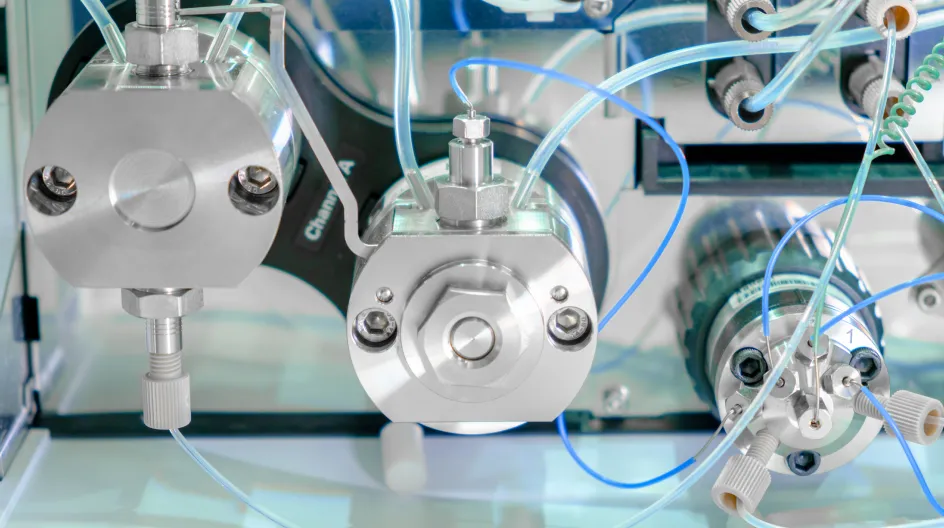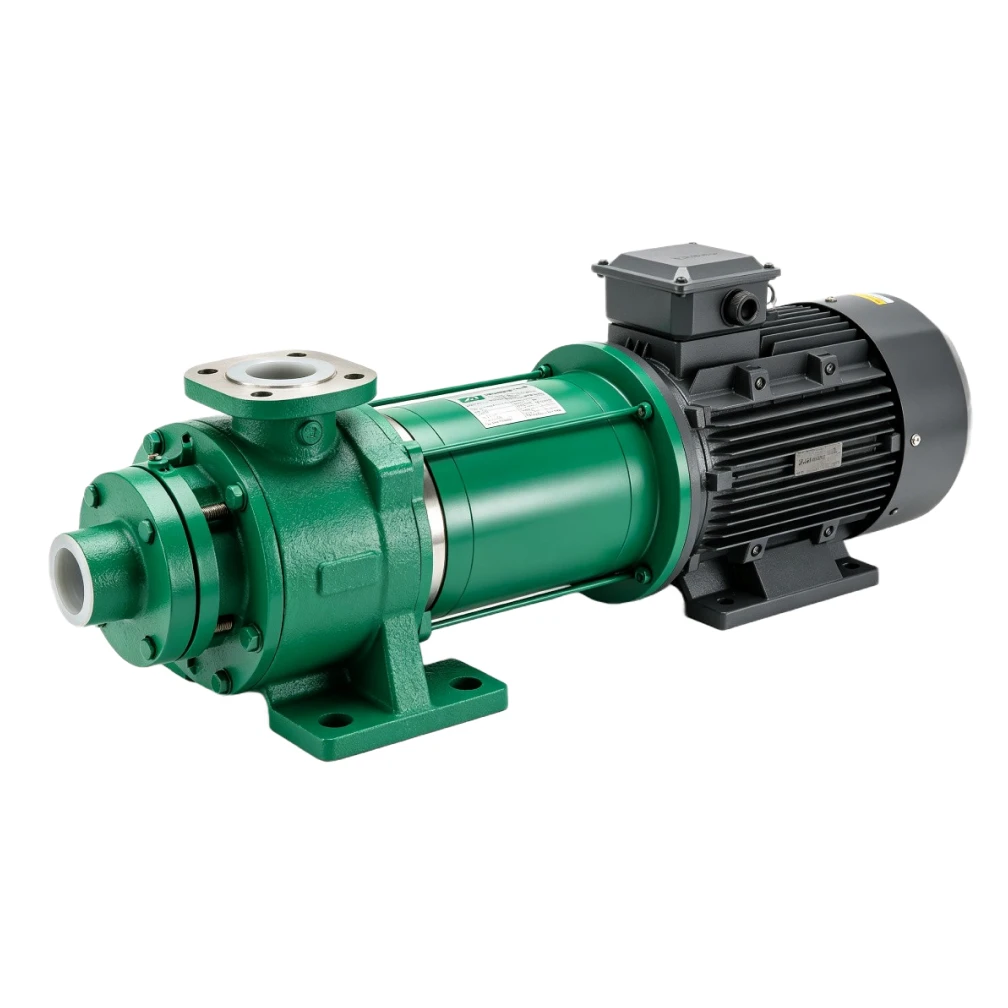
Hermetically sealed, sealless magnetic drive pumps engineered for safe transfer of toxic, volatile, and hazardous media.
LEARN MORE
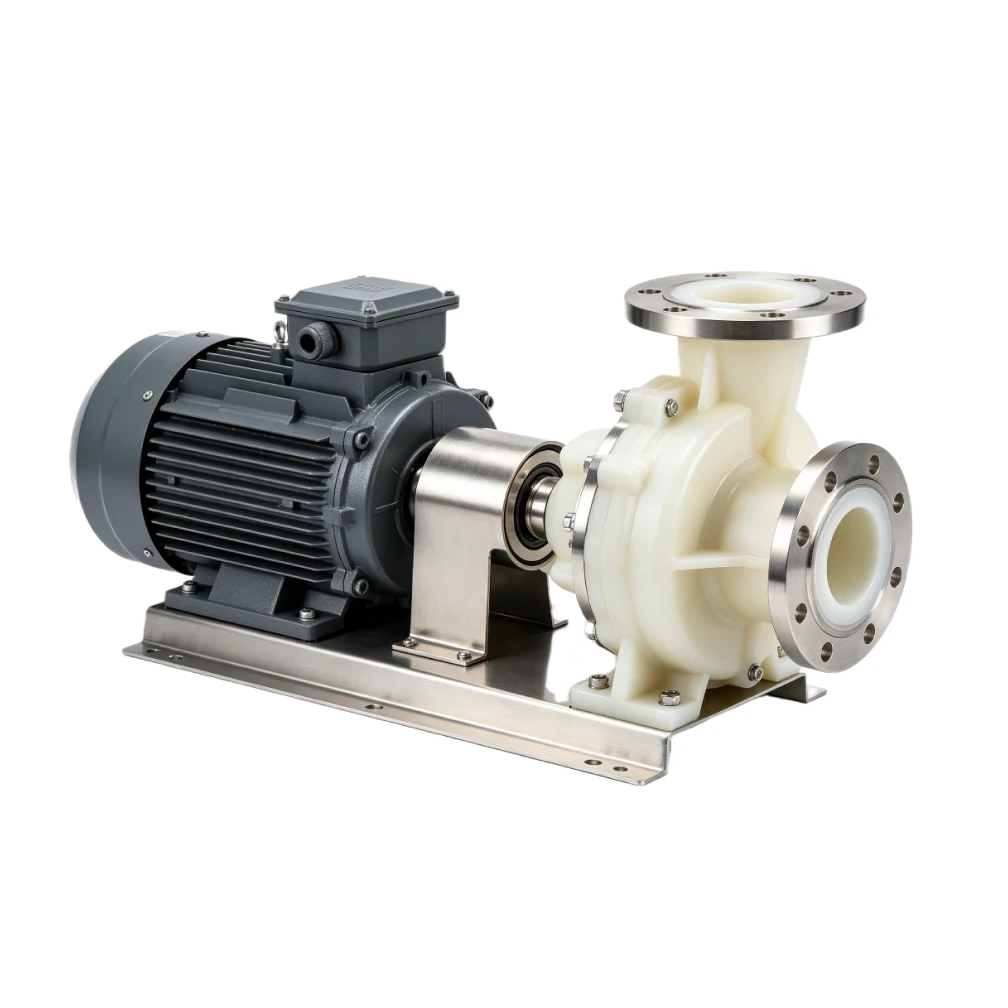
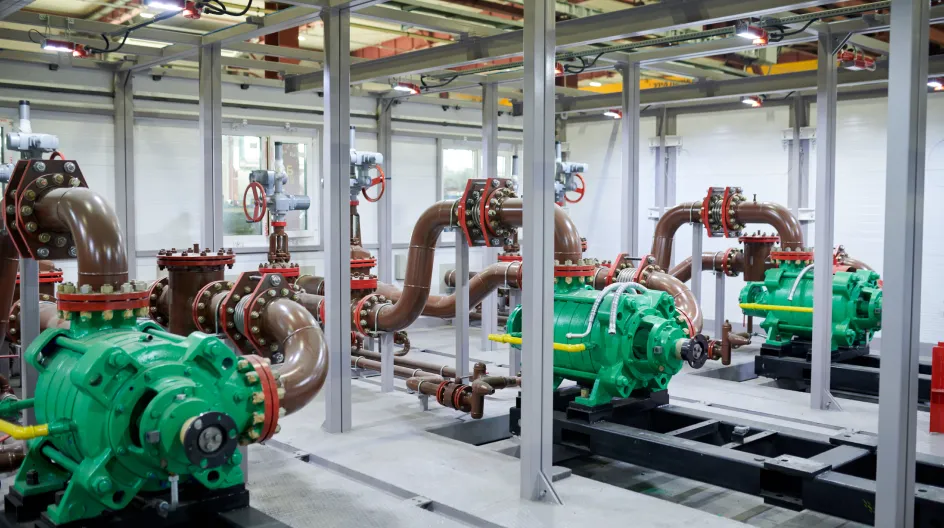
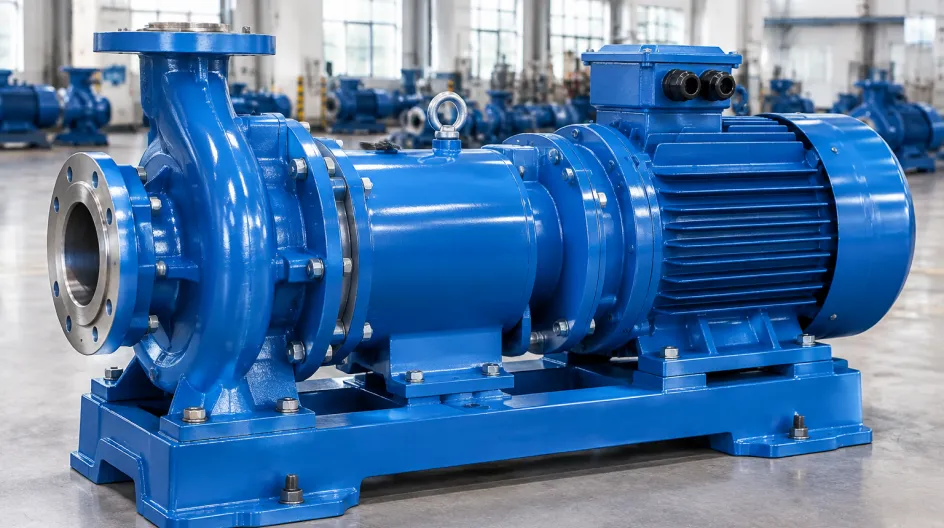
ISO-standard chemical centrifugal pumps designed for high-efficiency transfer of corrosive and abrasive fluids.
LEARN MORE
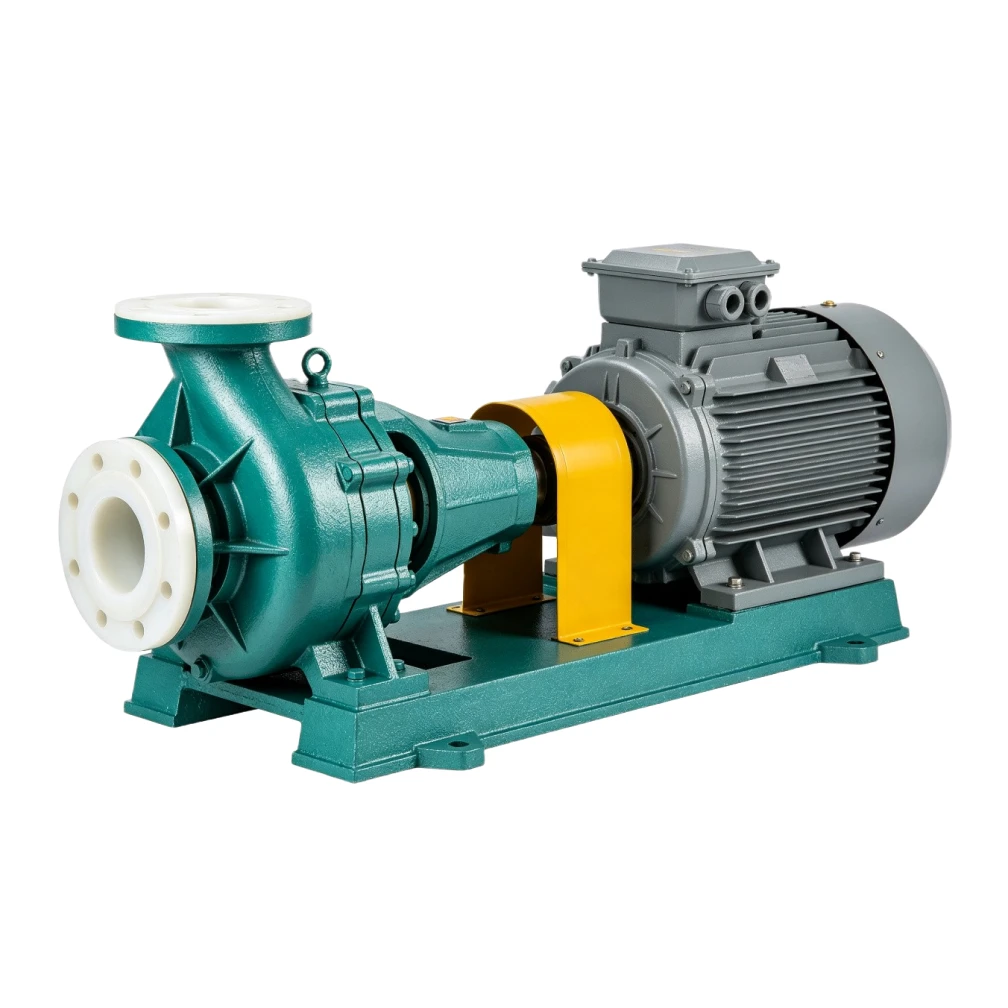
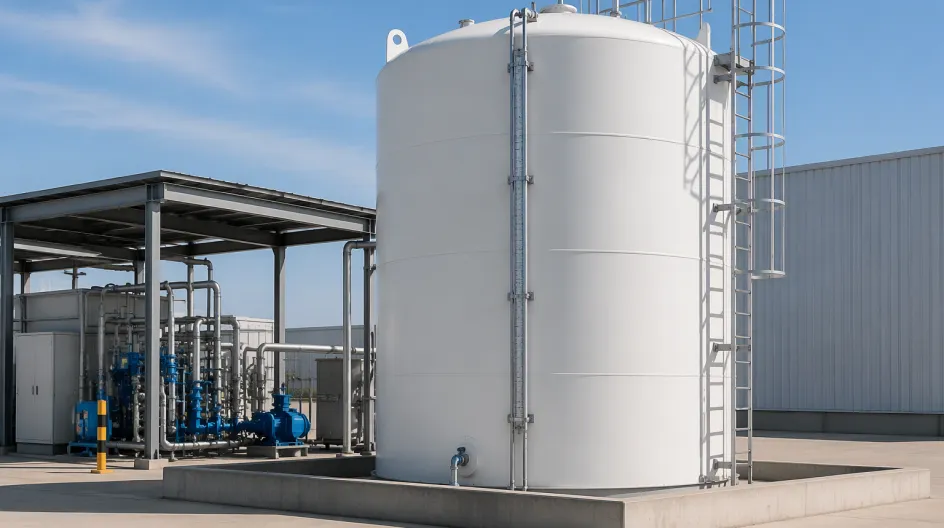
Reliable surface-mounted self-priming pumps engineered for low-level sumps and corrosive liquid evacuation.
LEARN MORE
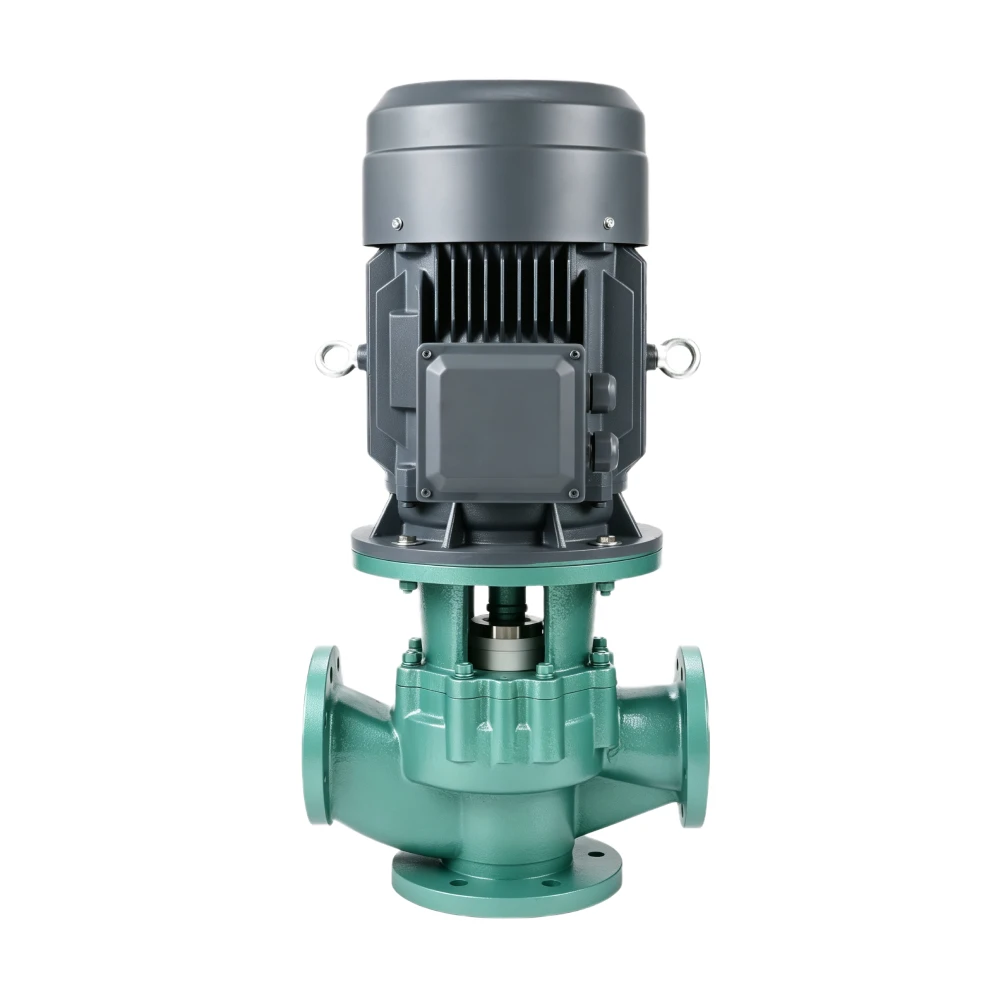
Fluoroplastic-Lined Inline Pumps
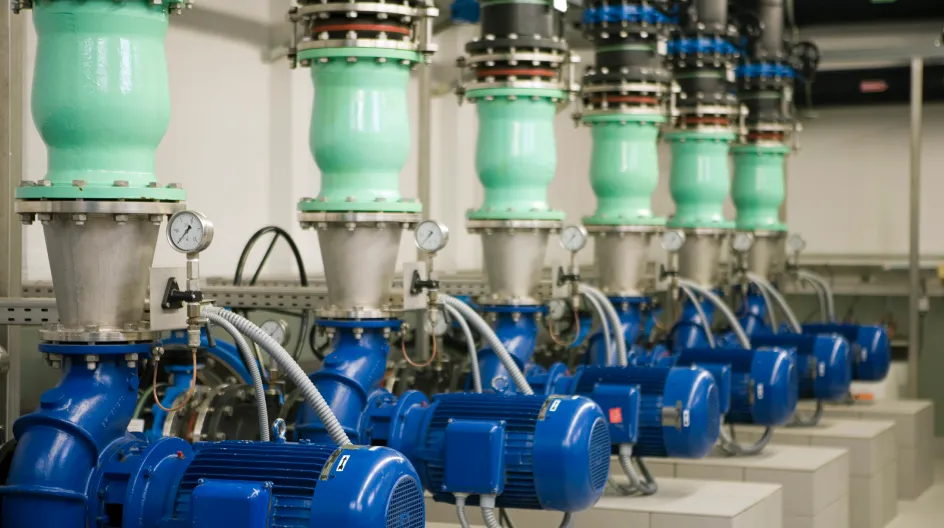
Heavy-duty corrosion-resistant centrifugal pumps engineered for aggressive chemicals within rated operating limits.
LEARN MORE
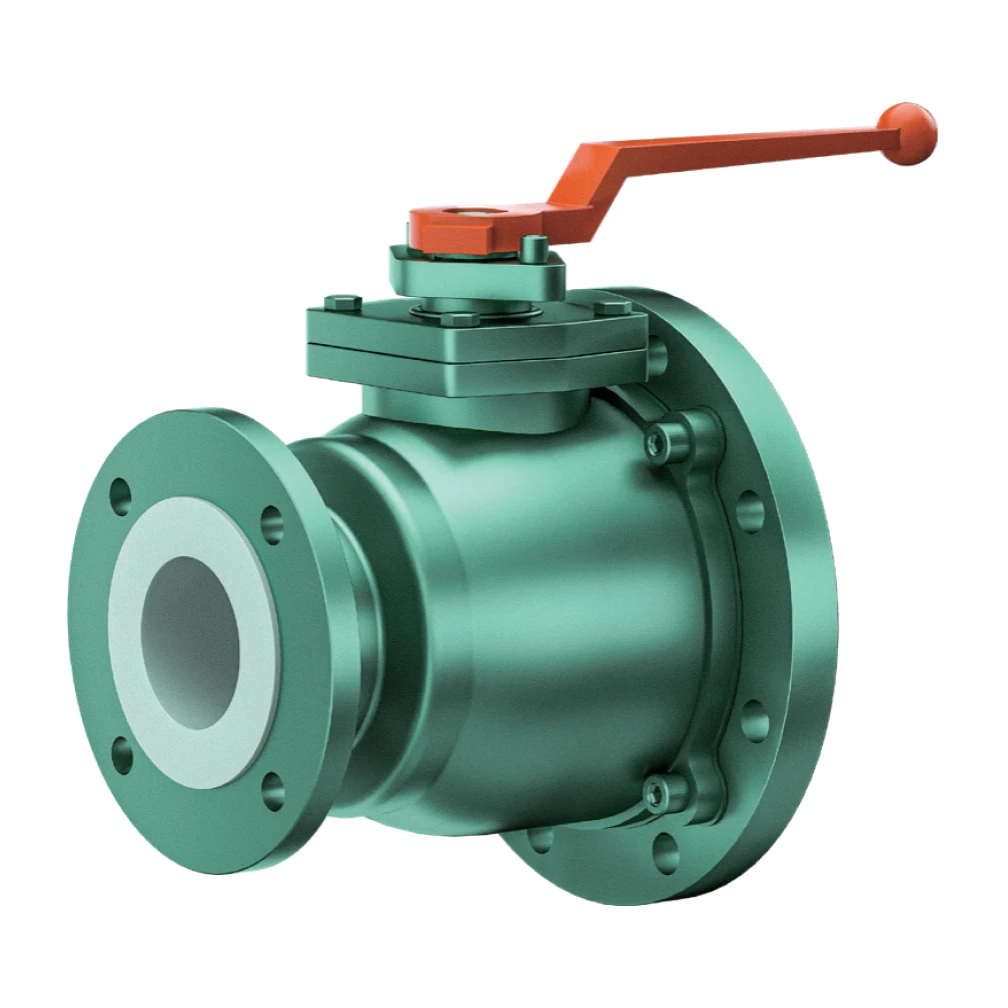
Fluoroplastic Lined Accessories
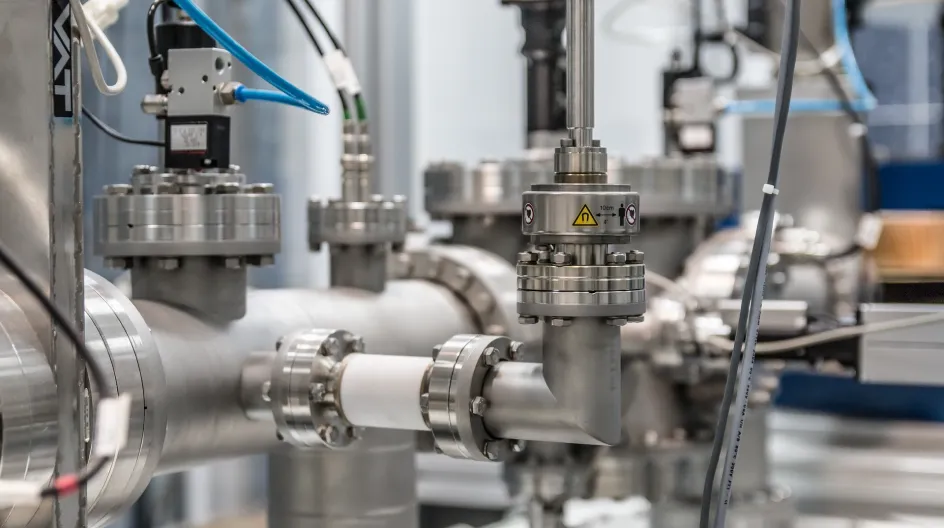
Seamless PTFE/FEP lined valves, pipes, and fittings providing continuous corrosion barriers for chemical piping.
LEARN MORE


 ABOUT YFTEL


Annual Output
Pumps & valves delivered worldwide
Years of Experience
Production Base Area
YFTEL pumps and valves operate in 30+ countries. Southeast Asia accounts for the largest share: mining projects in Indonesia, PCB plants in Vietnam, distribution partners in Malaysia, followed by the Middle East, Central Asia and South America. Export deliveries include single units, container batch orders and complete packages for chemical park projects.

Supporting applications across chemical production, surface treatment and industrial manufacturing.
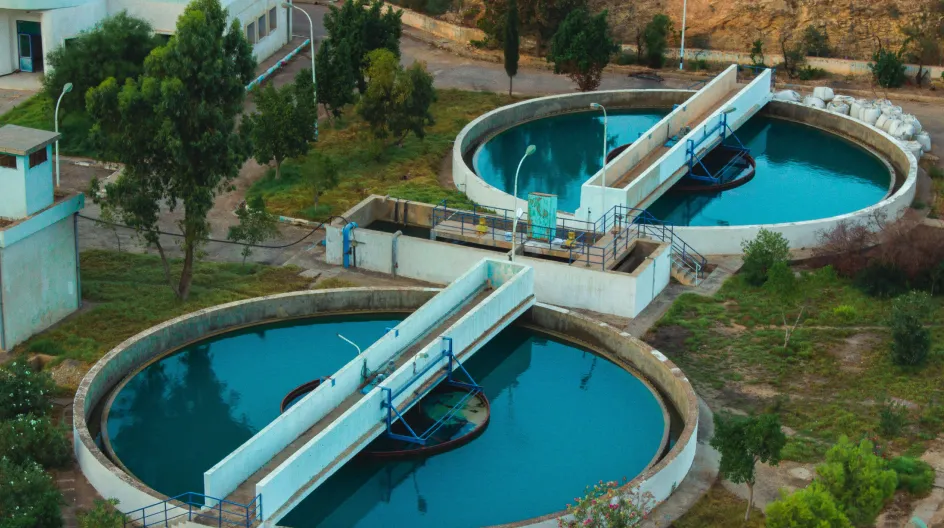
Addressing fluid-handling requirements across petrochemical processing, water infrastructure and industrial projects.
Suitable for challenging applications across chemical processing, metallurgy and other heavy industries.
Opportunities across mining, water treatment, environmental protection and emerging industrial projects.
Focused on challenging slurry, abrasive and corrosive conditions found across resource-based industries.

Built around demanding specifications, dependable operation and application-focused pump selection.
Focused on clean, corrosion-resistant fluid handling for precision manufacturing.
Designed around demanding media, abrasive conditions and challenging industrial environments.
Applications spanning chemical processing, pharmaceuticals, specialty manufacturing and water treatment.
Supporting Chemical, Mining, and Petrochemical Projects Across 30+


Experiencing low flow or zero discharge from your chemical centrifugal pump? Before dismantling the pump, check for loss...

YFLK (YFTEL) Chemical Centrifugal Pumps: Installation, Commissioning & Maintenance Guide
Learn how to properly install, commission, and maintain chemical centrifugal pumps in corrosive service. This technical ...
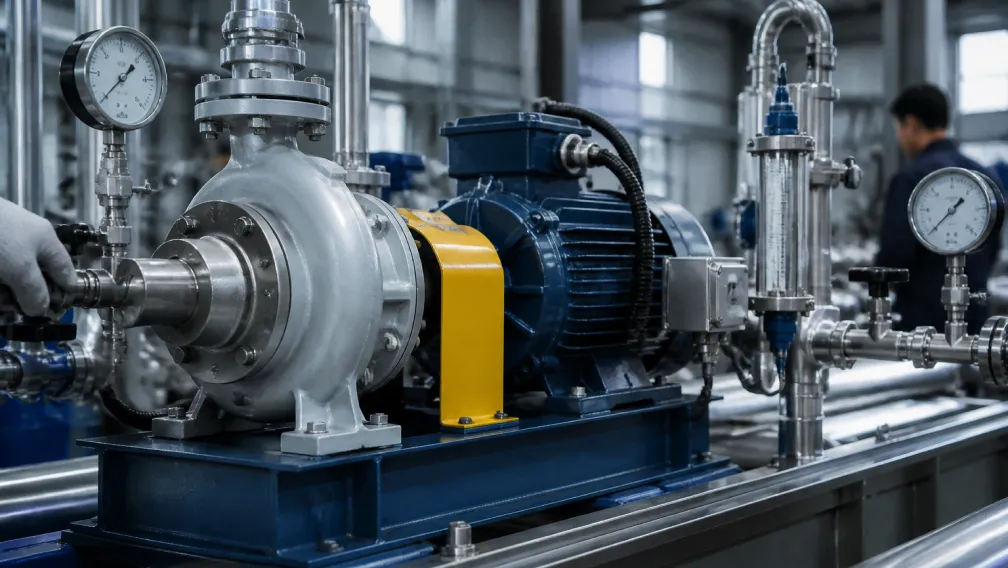
Engineering guide to Factory Acceptance Testing (FAT) for chemical pumps. Covers 1.5x MAWP hydrostatic testing, ISO 9906...
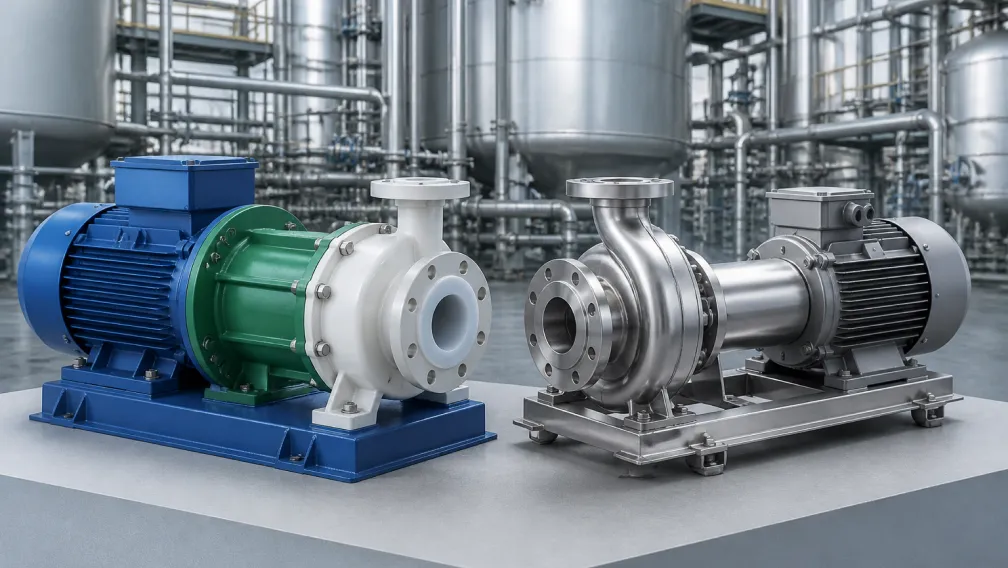
Nitric Acid (HNO3) Pump Selection: Managing Strong Oxidizing Corrosion and Fuming Hazards
Engineering guide to nitric acid (HNO3) pump selection. Covers 304L vs. 316L corrosion limits, why PP, UHMWPE, and carbo...
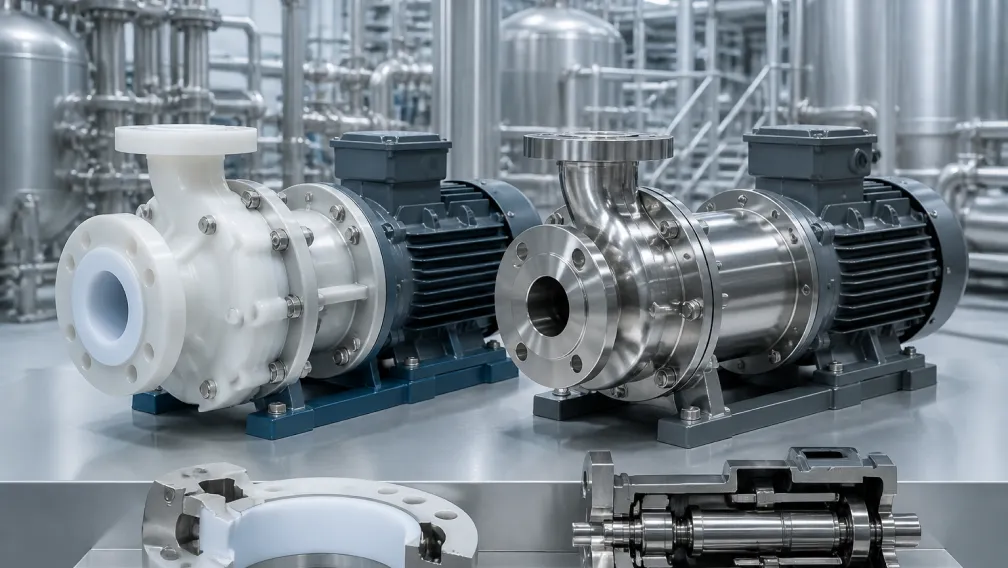
Caustic Soda (NaOH) Pump Selection: Preventing Embrittlement, Crystallization, and Seal Failure
Engineering guide to selecting chemical pumps for caustic soda (NaOH). Covers caustic stress corrosion cracking limits, ...
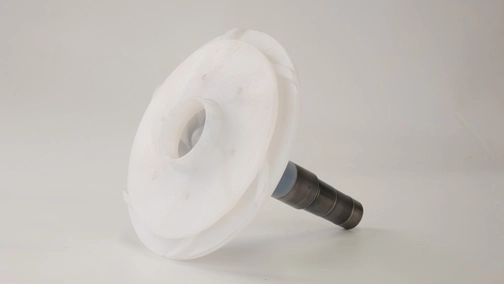
Chemical Pump Impeller Balance Holes: Function, Limitations & Maintenance
Learn how balance holes in chemical centrifugal pump impellers reduce axial thrust, their limitations in corrosive and c...
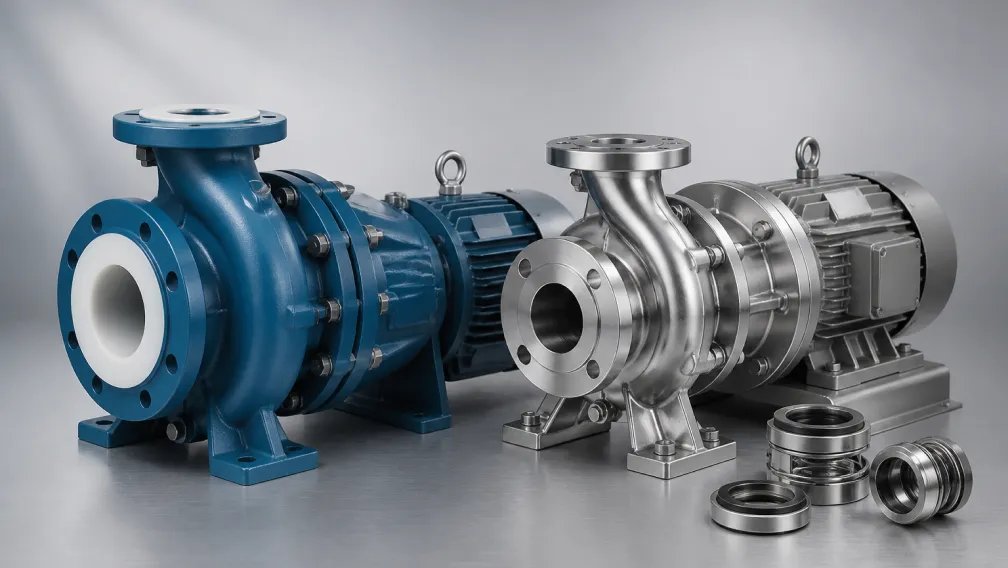
Pump Seal Basics for Chemical Centrifugal Pumps: Mechanical Seal vs Dynamic Seal
A practical selection guide comparing mechanical seals and dynamic sealing structures for YFLK fluorine-lined and stainl...
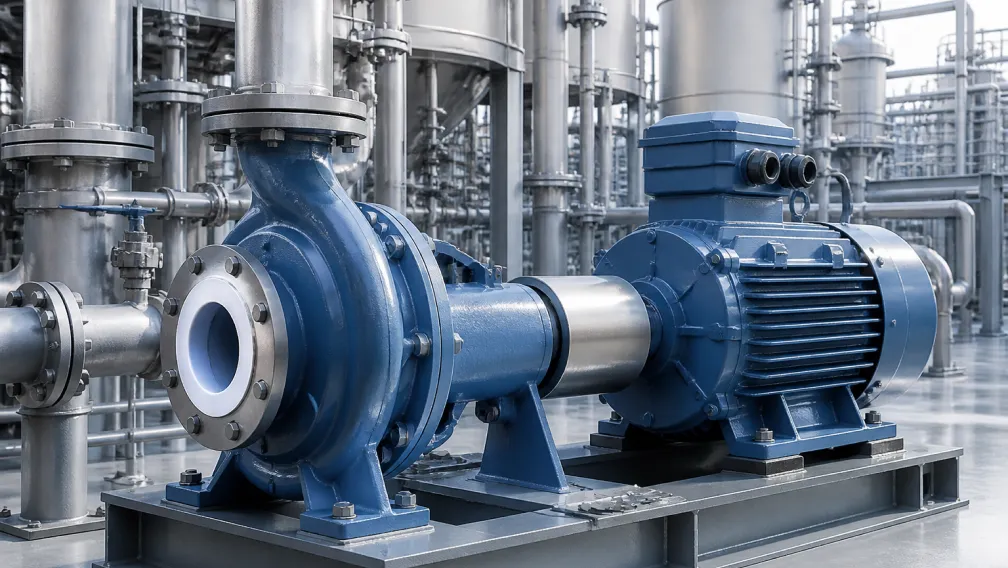
ATEX Explosion Proof Requirements for Chemical Pumps Guide
Pumps in explosive atmospheres are ignition equipment in their own right under ATEX. This guide explains zones and equip...
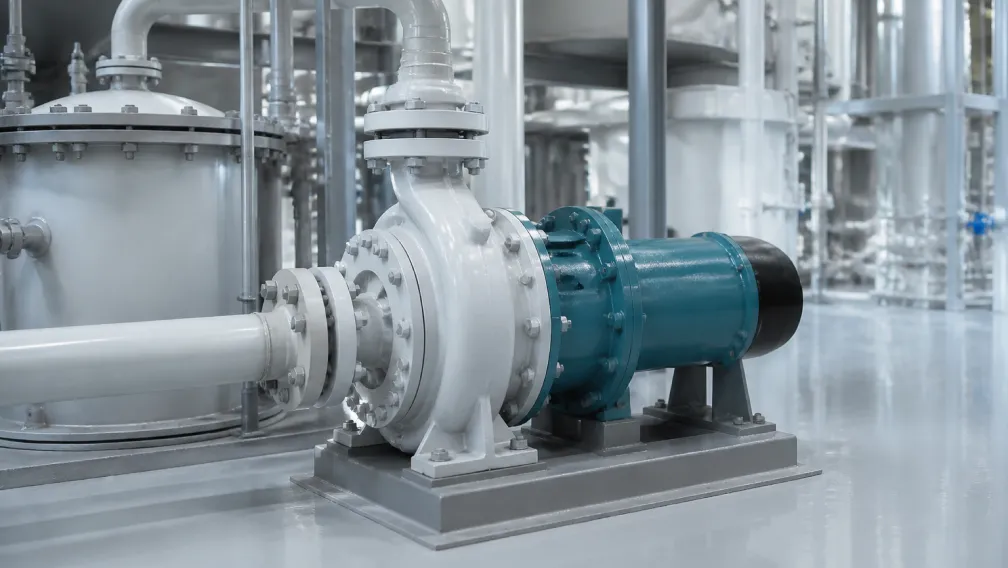
Hydrofluoric Acid Pump Selection Safety and Materials Guide
Hydrofluoric acid dissolves glass and silicon carbide and can injure through skin contact alone, so pump selection is sa...
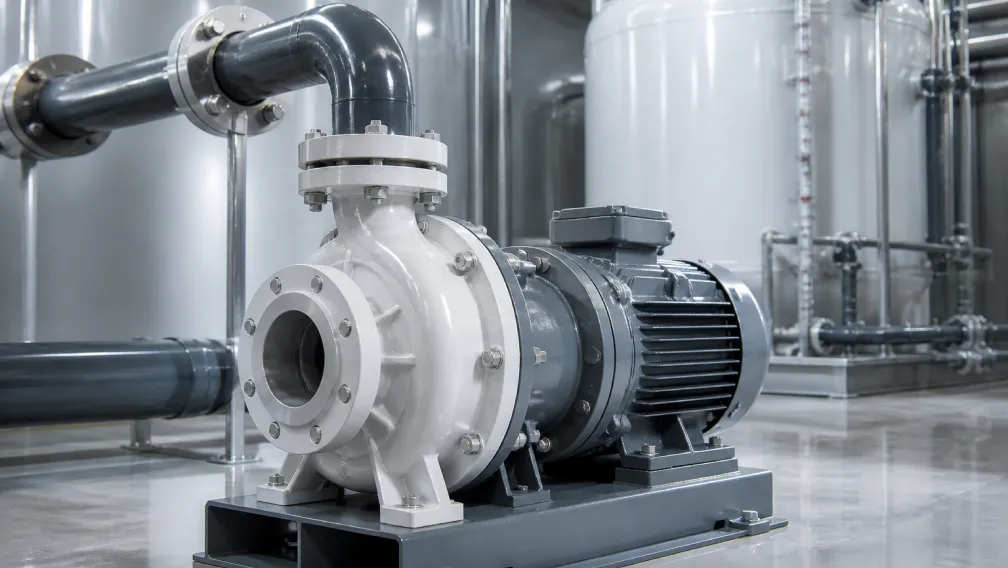
Hydrochloric Acid Pump Selection Materials and Design Guide
Hydrochloric acid destroys stainless steel, carbon steel and titanium, and concentrated acid fumes create a zero-toleran...
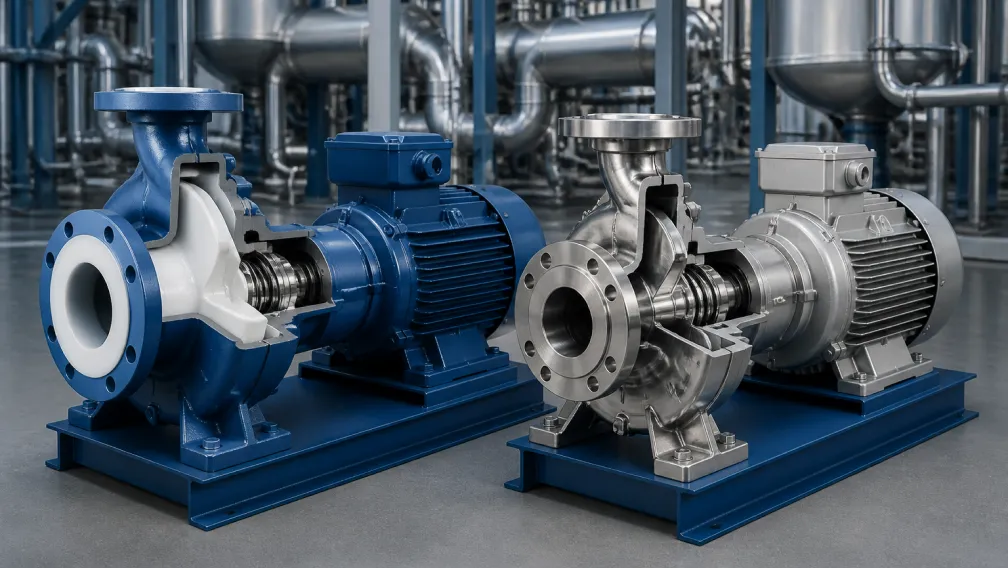
Engineering guide to cavitation, air binding and dry run in chemical centrifugal pumps, covering key differences, field ...
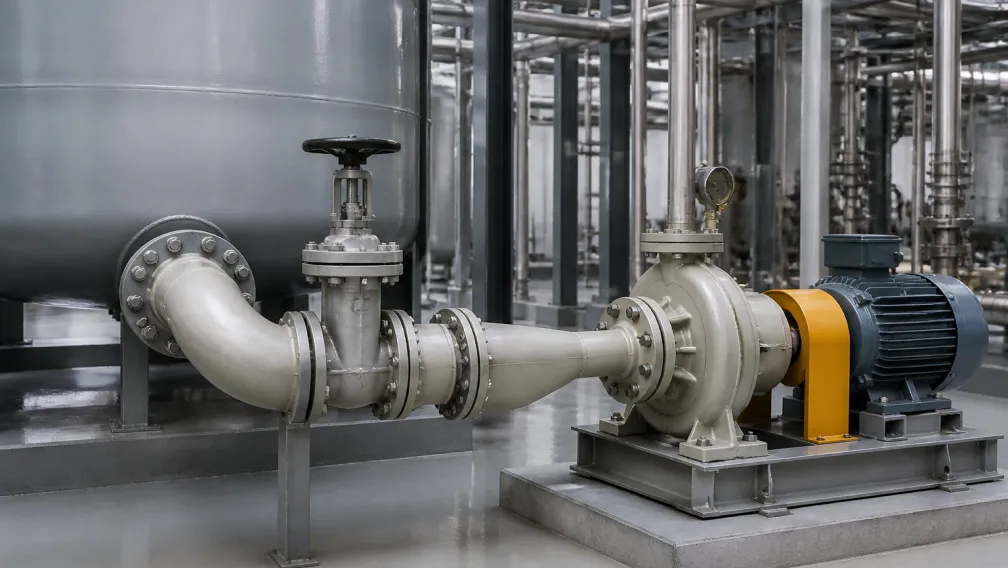
Key Guidelines for Proper Suction Piping Design of Chemical Centrifugal Pumps
Engineering guide on suction piping design for chemical centrifugal pumps, covering eccentric reducer orientation, strai...
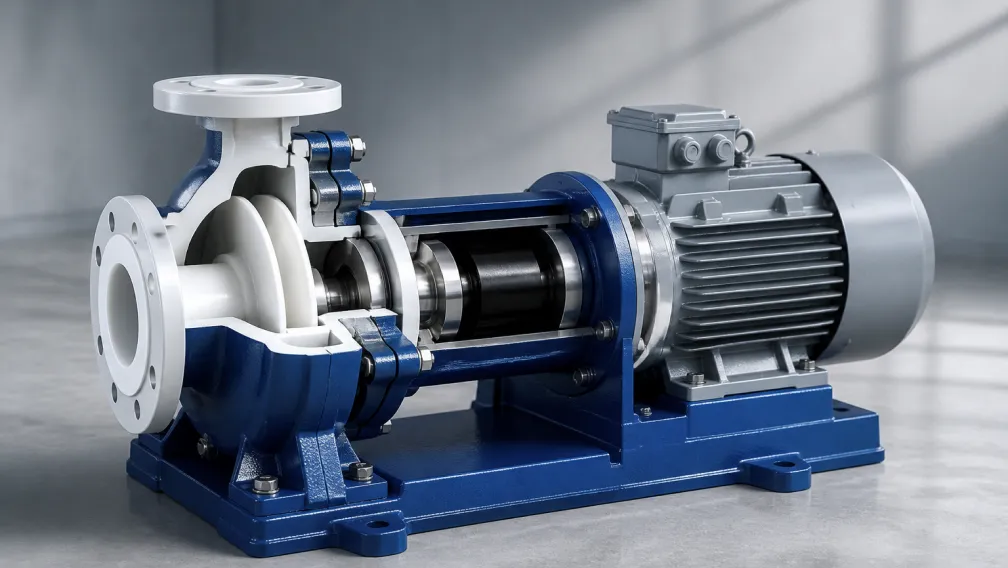
Pumping Sodium Hypochlorite: Off-Gassing, Decomposition, and Pump Selection
An engineering guide to pumping sodium hypochlorite. Covers the decomposition chemistry and off-gassing mechanism that c...
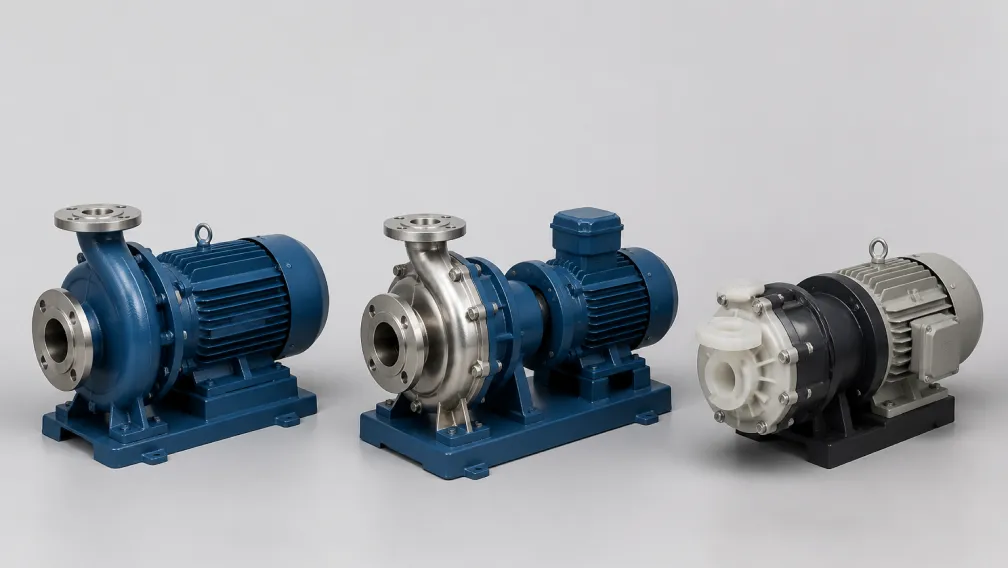
ASME B73.1 vs ISO 2858 vs API 685: Chemical Pump Standards Explained
A procurement-focused comparison of the three dominant chemical pump standards: ASME B73.1, ISO 2858 with ISO 5199, and ...
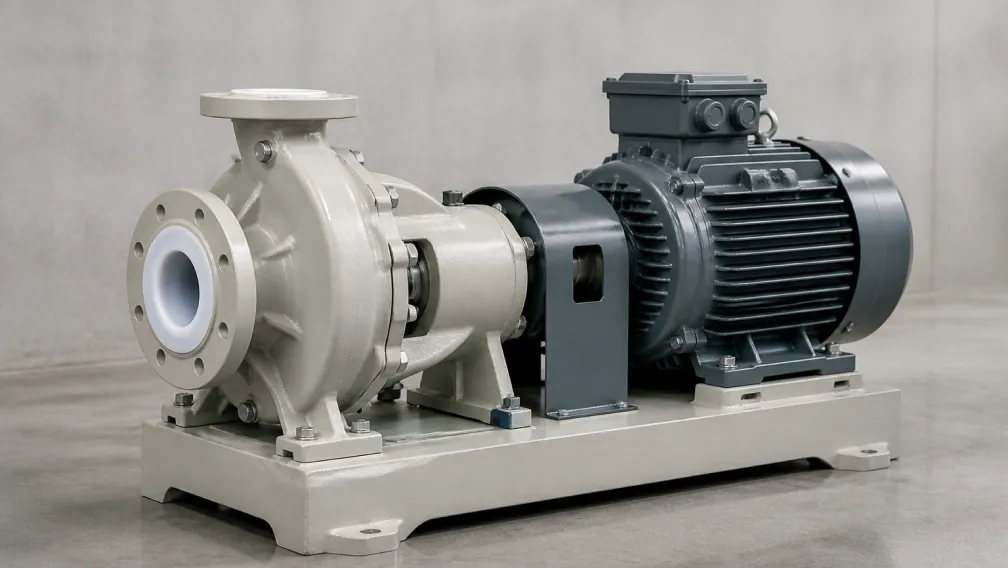
Sulfuric Acid Pump Selection: Materials, Concentration, and Temperature
A practical engineering guide to selecting pumps for sulfuric acid service. Covers concentration-dependent corrosion, ma...
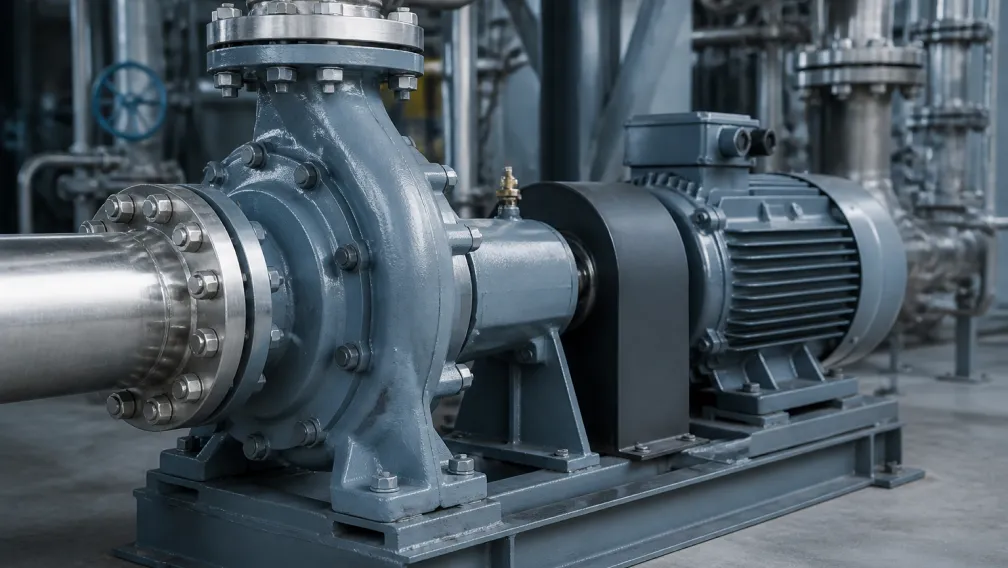
How to Extend the Service Life of Chemical Centrifugal Pumps: Complete Operation & Maintenance Guide
Comprehensive operation and maintenance guide for chemical centrifugal and submersible pumps. Learn pre-start checklists...
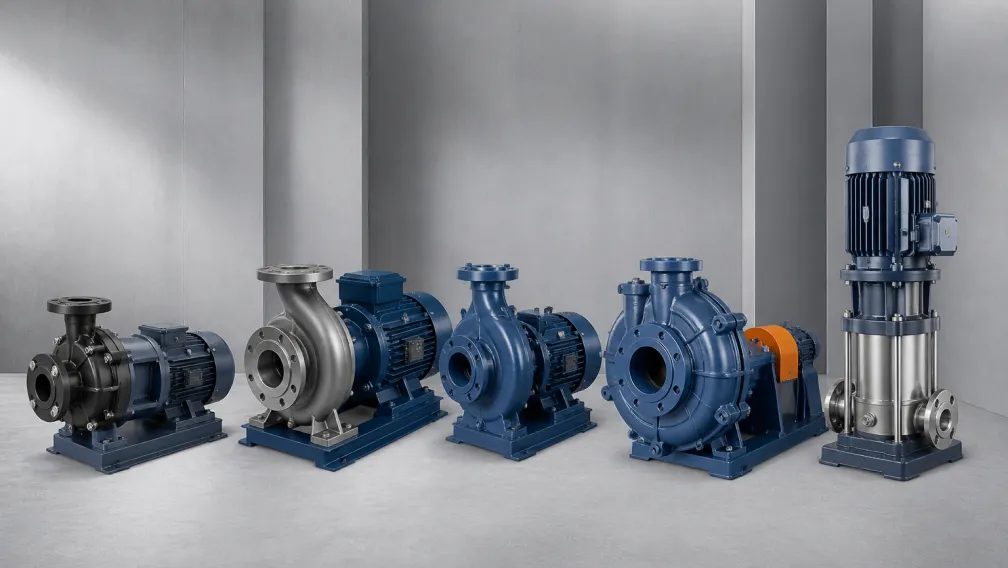
Comprehensive guide to diagnosing and permanently resolving vibration, cavitation, and leakage in industrial chemical pu...
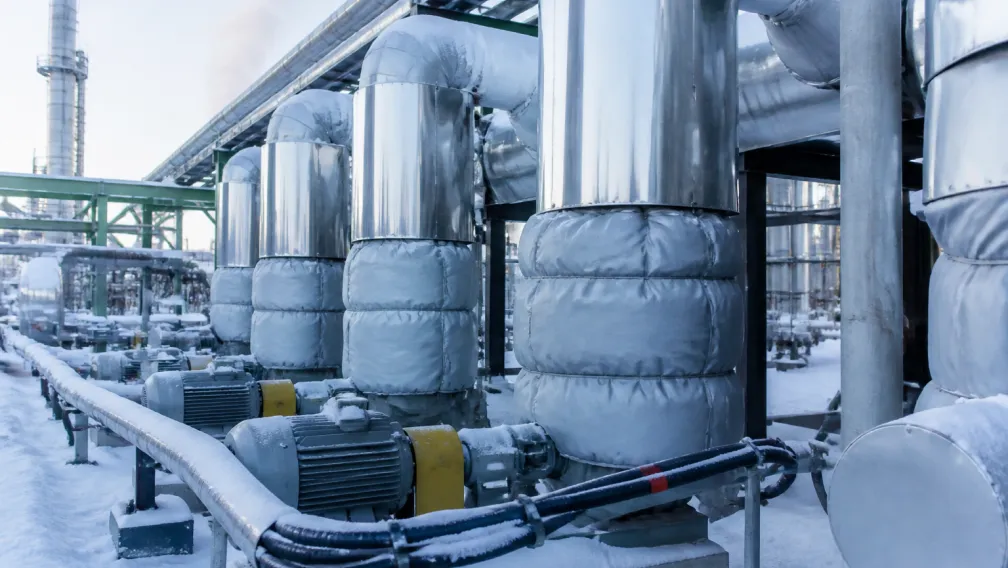
Winterization and Heat Tracing Strategies for Chemical Pumps Handling Crystallizing Media
An advanced engineering guide on winterizing chemical pumps and handling crystallizing media. Covers the destructive phy...
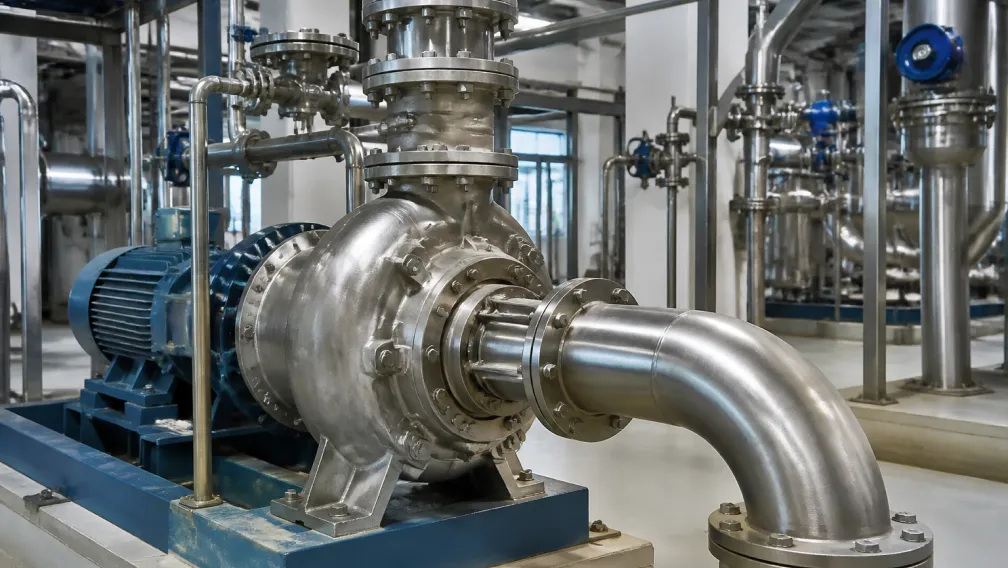
Handling High-Viscosity Chemical Fluids: Centrifugal Pump Corrections and Technology Selection
An advanced engineering whitepaper on transferring high-viscosity chemical fluids. Learn how viscosity degrades centrifu...
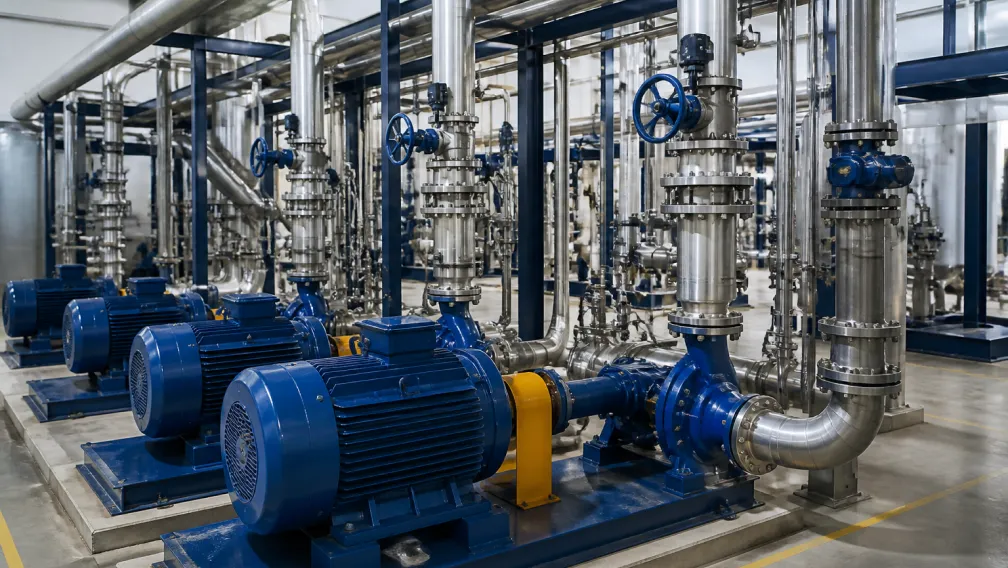
Chemical Pump Piping Design Best Practices: Suction, Discharge, and Cavitation Prevention
An engineering guide detailing piping design best practices for chemical pumps, covering suction side optimization, cavi...
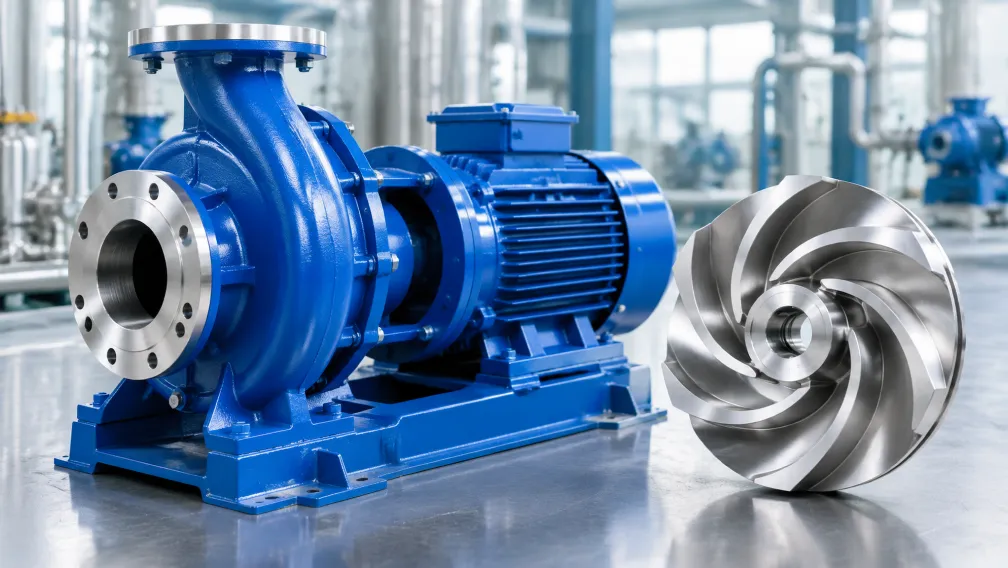
Polishing Processes for Chemical Pump Wetted Parts: 6 Methods Compared
A manufacturing engineering comparison of six polishing processes for chemical pump wetted parts: manual mechanical grin...
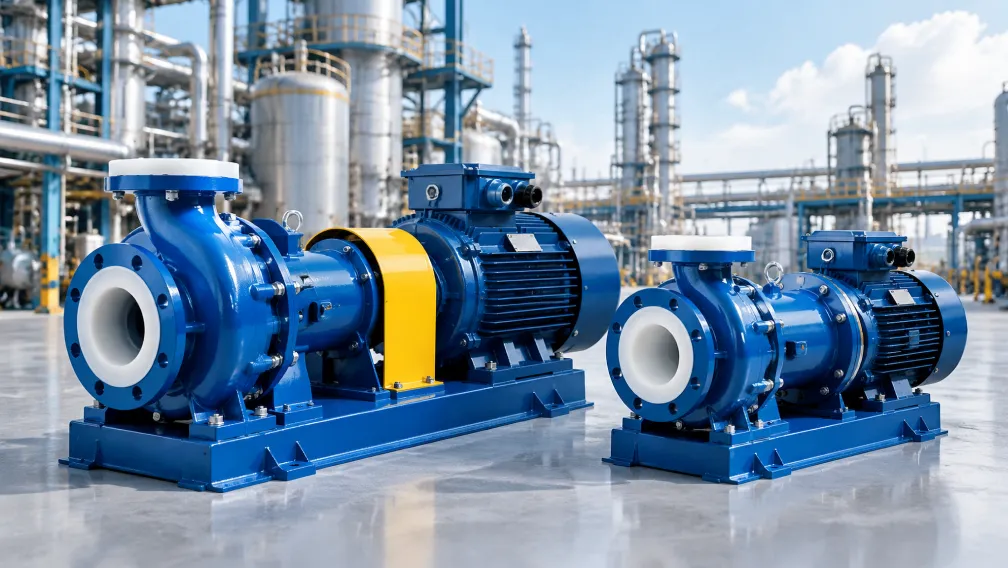
An in-depth engineering guide on material safety, wetted component selection, and containment protocols for pumping high...
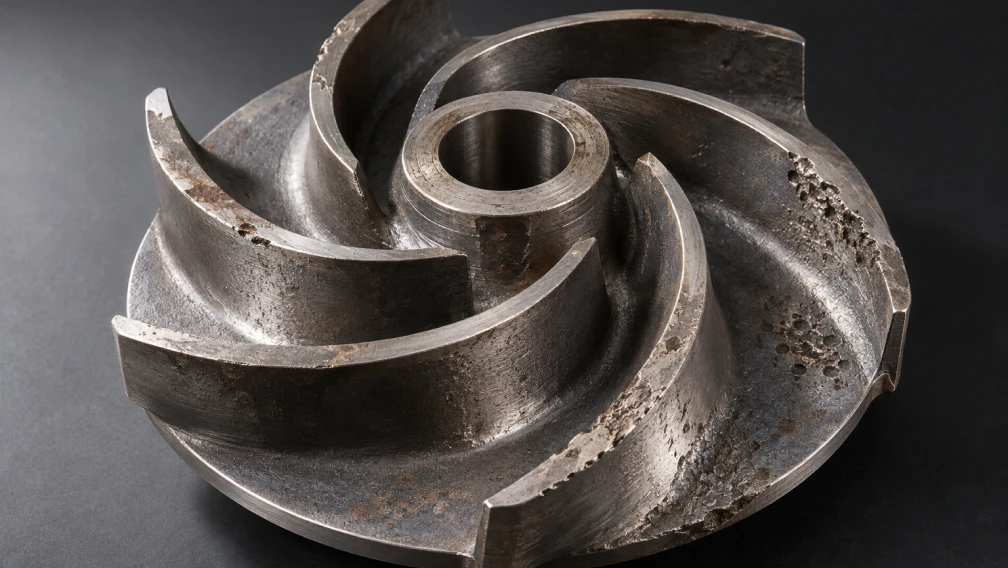
Chemical Pump Impeller Repair: Methods, Limits, and Matching Seal Solutions
A maintenance engineering guide to chemical pump impeller repair: hardfacing and patch welding procedures by material, r...
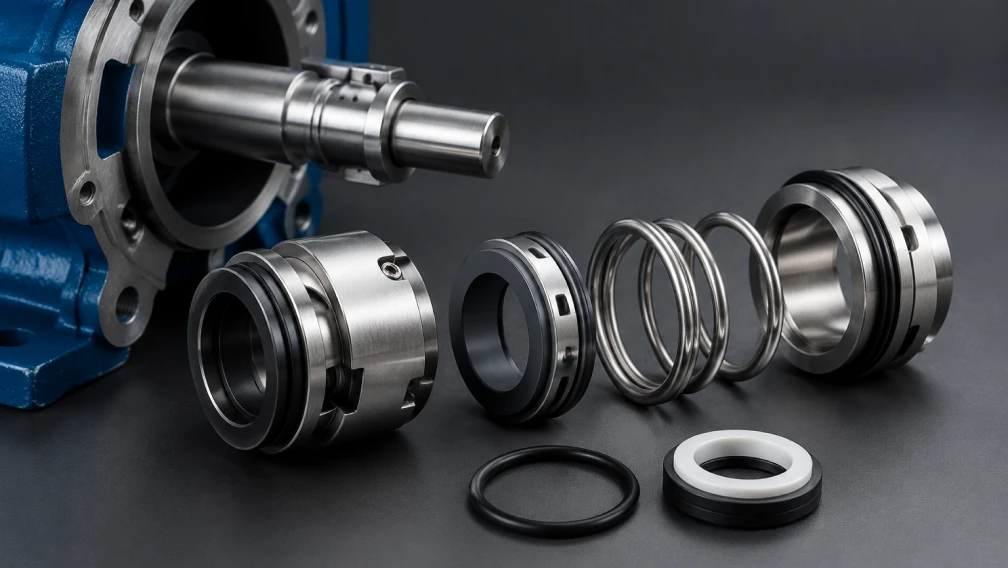
Chemical Pump Seal Types: 8 Dynamic Seals and How to Select Them
A systematic engineering guide to the eight dynamic seal types used on chemical pumps: packing, mechanical, dry gas, lab...
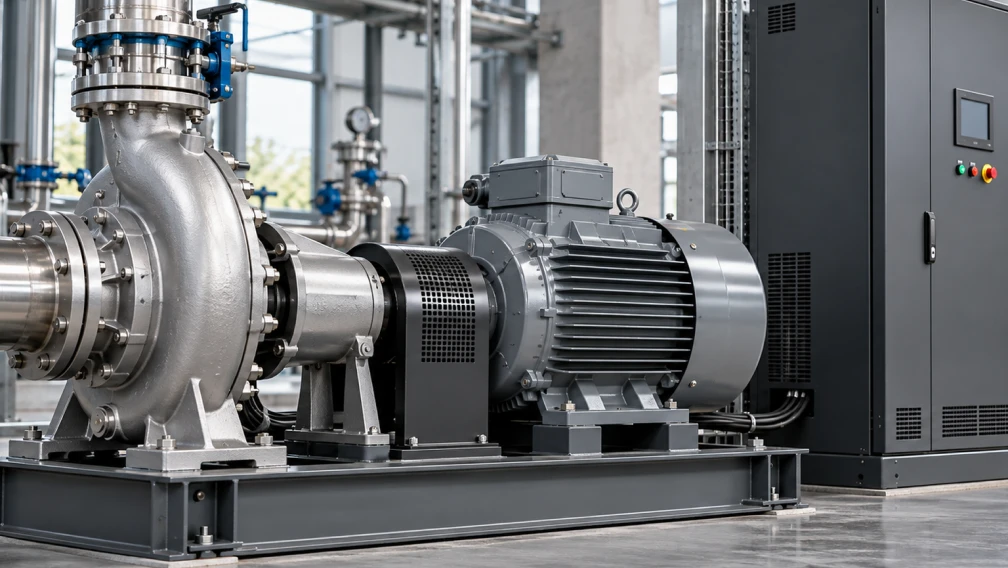
Fe-SynRM Motor and VFD Packages for Pump Energy Savings
An engineering overview of ferrite-assisted synchronous reluctance (Fe-SynRM) motors paired with variable frequency driv...
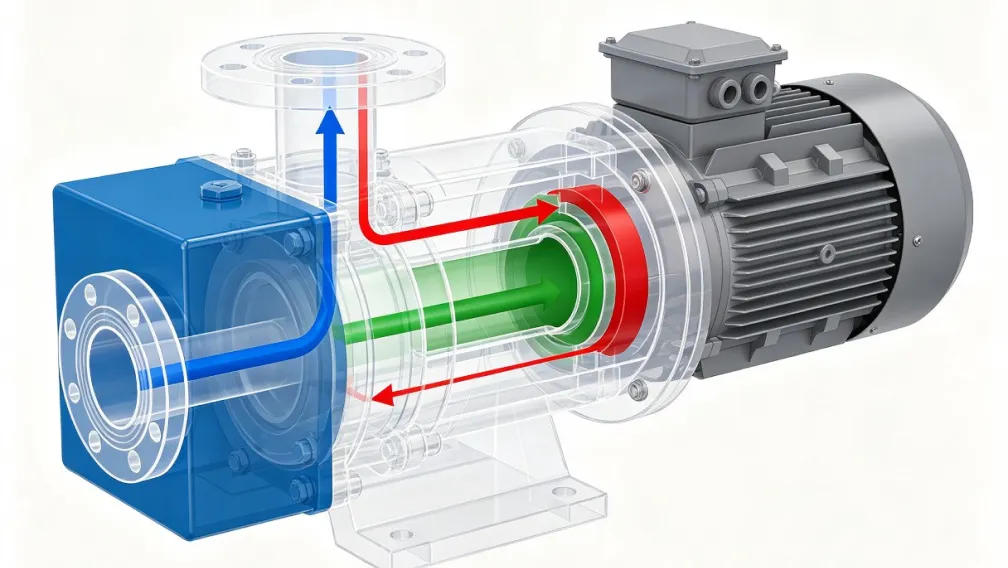
The Self-Priming Principle: How Self-Priming Pumps Work
A self-priming pump evacuates air from its own suction line using liquid stored in its casing. This guide explains the t...
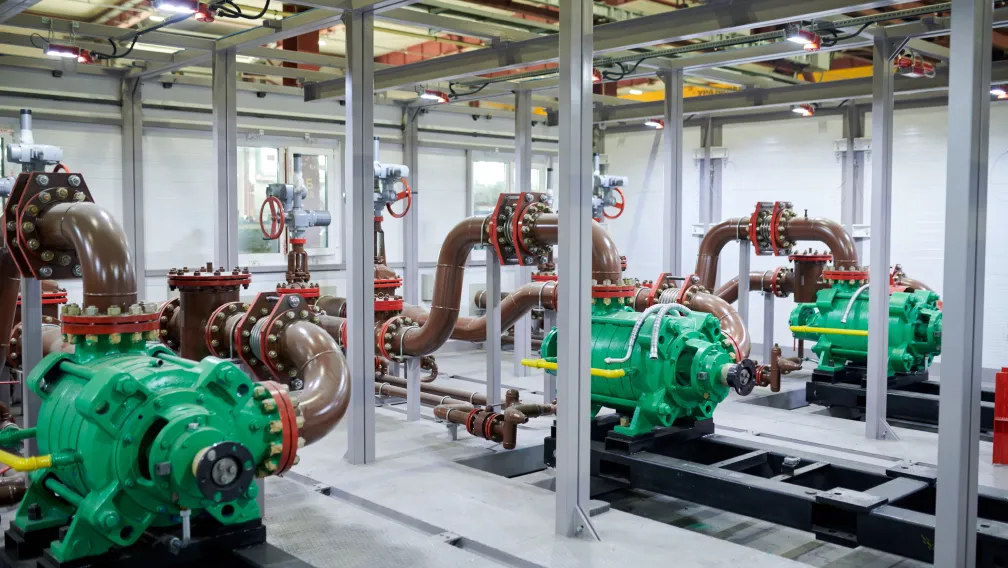
Why Corrosion Resistance Matters in Chemical Pump Selection
Corrosion decides whether a chemical pump is an asset or a recurring failure. This guide covers the four corrosion mecha...
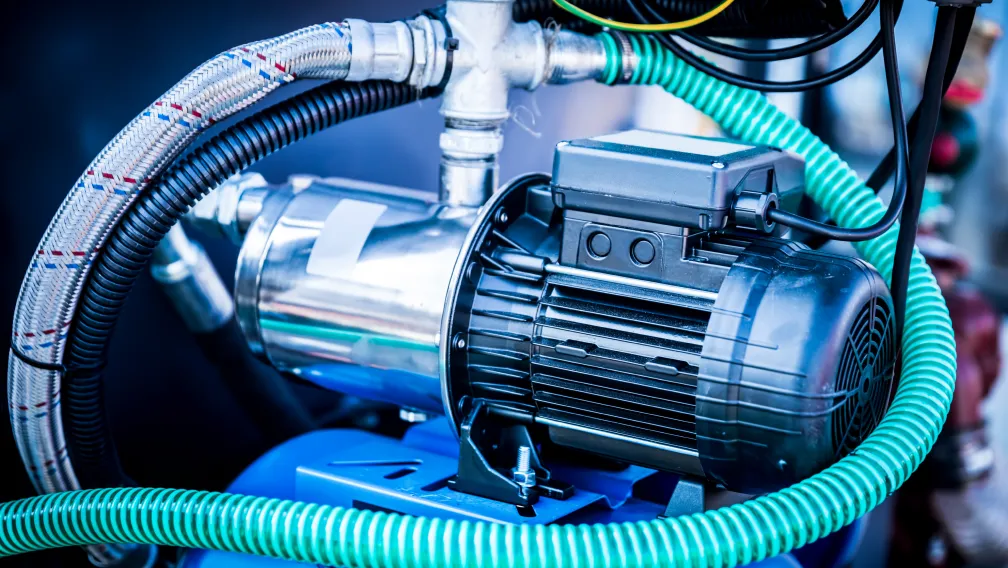
What Is a Chemical Pump? Definition, Types, and Industrial Applications
A chemical pump transfers corrosive, toxic, or high-purity fluids using corrosion-resistant wetted materials and reliabl...

Why Corrosion Resistance Matters in Chemical Pump Systems
Corrosion in a chemical pump threatens safety, causes unplanned downtime, and ruins product purity. This engineering ana...
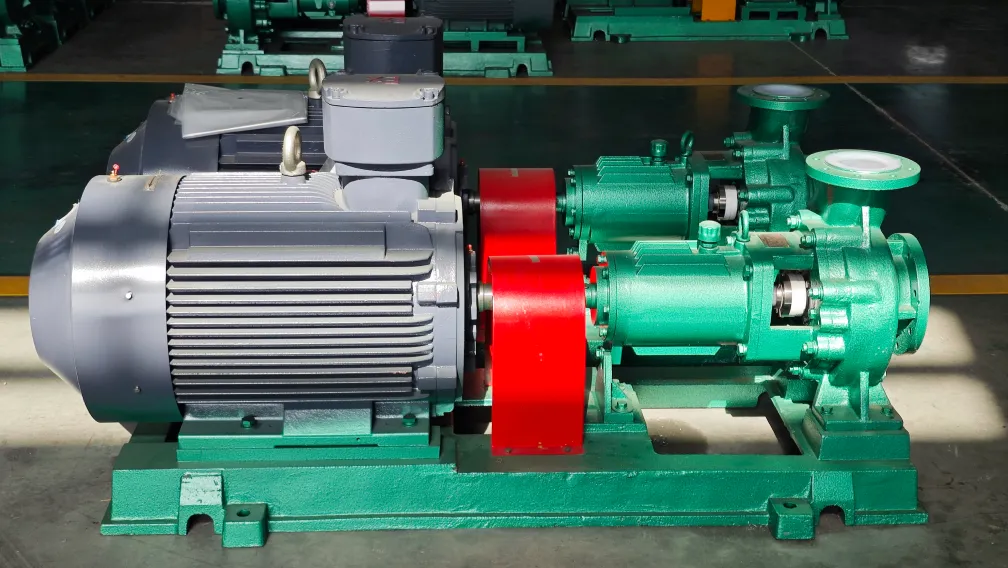
Material Selection for Corrosive Fluid Transfer
A comprehensive engineering analysis comparing fluoroplastics (F46/PTFE), UHMWPE, and austenitic stainless steel in indu...
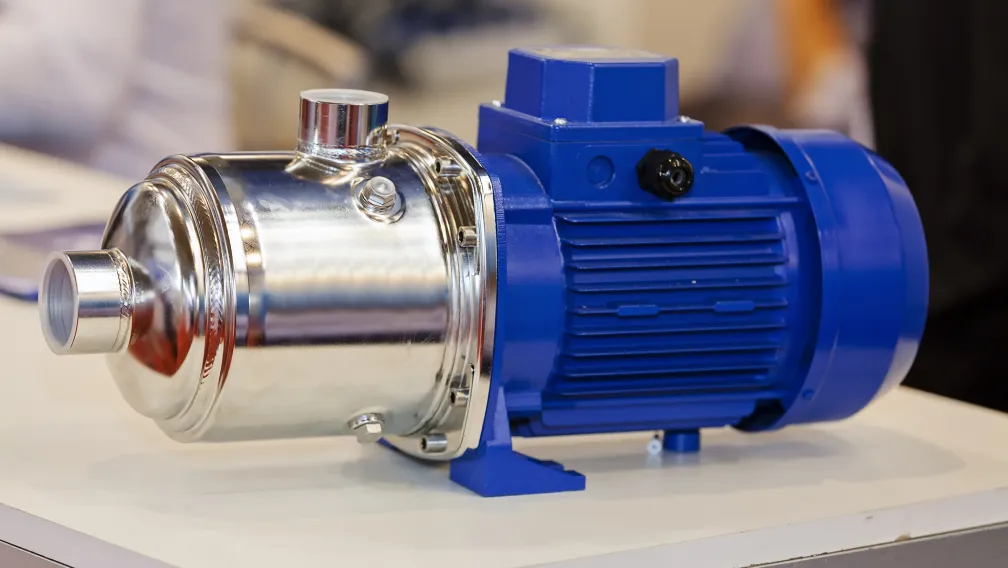
Diagnosing Centrifugal Pump Problems and Solutions: Cavitation, Overheating, and Corrosion
A comprehensive engineering guide to identifying and resolving chronic centrifugal pump failures in chemical processing....
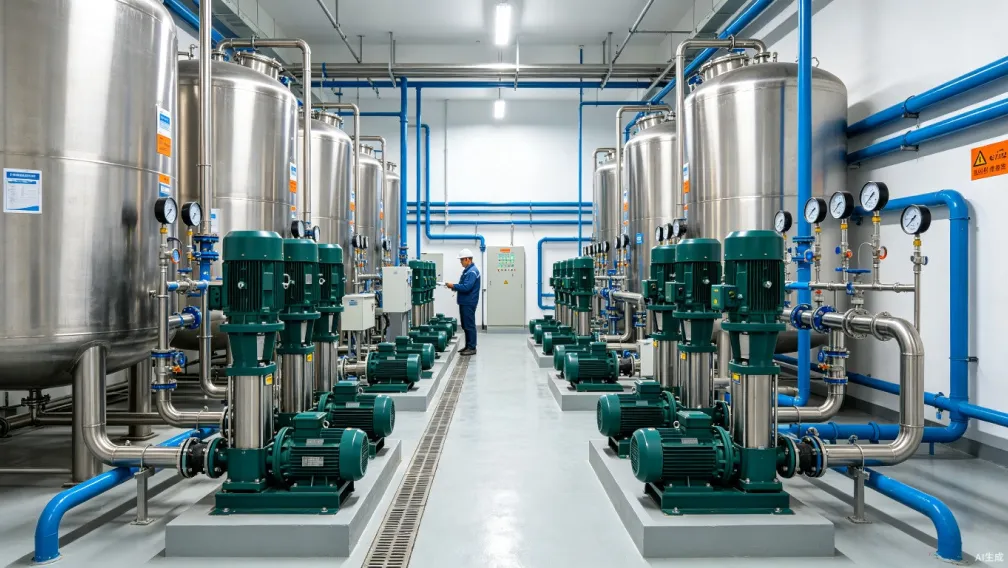
Decoding Fluoropolymers in Chemical Pumps – PTFE, FEP, and PFA
An advanced engineering analysis detailing the molecular differences, thermal tolerances, and manufacturing mechanics of...
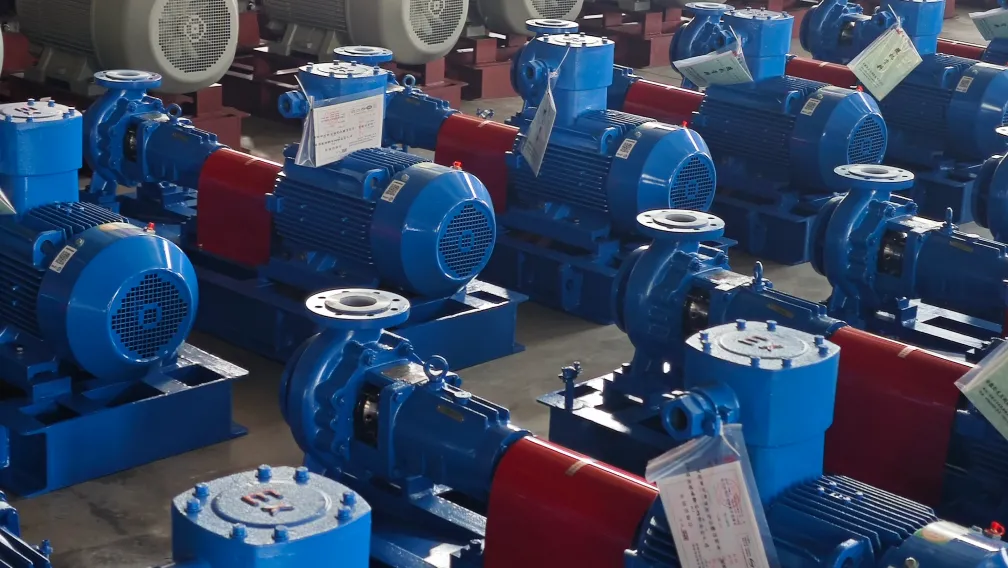
The Industry Shift from Mechanical Seals to Sealless Magnetic Drive Pumps
An in-depth engineering analysis detailing why chemical processing facilities are systematically replacing dynamic mecha...
 FAQs
Most standard pump models ship within 4 weeks of order confirmation. Large-volume orders, custom impeller trims or special motors may take 5–6 weeks. We recommend placing orders at least 5–6 weeks ahead of your install date to allow buffer for transit. Contact us for exact timelines on your specification.
Send us the medium (name and concentration), required flow (m³/h), head (m), operating temperature, motor voltage/frequency and any site constraints. We will respond with a model recommendation, motor power and a formal quotation within one working day.
Common terms are 30% advance with order and 70% before shipping; payment terms usually be T/T. Confirm with us.
We support FOB, CIF, CFR, DAP and EXW terms as requested. FOB is most common for sea freight; tell us your destination port for a CIF/CFR quotation.
The standard warranty period for the pump body structure is 36 months from the date of delivery The warranty coversmaterial and workmanship defects not caused by force majeure or human factors, and applies to normal use. Consumables (mechanical seals, bearings) are excluded after the initial run-in. Extended warranty is available on request.
Yes. We tailor impeller diameter (trim), mechanical-seal flushing plan, motor (TEFC/EX/IE3/VFD), mounting arrangement and skid packaging to your medium, flow, head, voltage, frequency, temperature, work conditions and site. Send us your data sheet and we will propose a custom configuration.
Fluoroplastic-lined pumps (IHF, CQB, FZB, FSB, ZMD, GF) resist virtually all strong acids, alkalis and oxidizers at any concentration but are limited in temperature (~100–150°C). Stainless-steel pumps (IH, CQL, ZCQ) suit clean and moderately corrosive media (organic acids, alcohols, brines, oils) with higher mechanical strength and higher temperature capability. Choose fluoroplastic for strong acids/alkalis; stainless for clean and mild-duty media.


 English