

 English

The Evolution of Fluid Containment in Chemical Processing
For decades, the chemical processing, petrochemical, and pharmaceutical industries relied heavily on mechanically sealed centrifugal pumps for fluid transfer. While effective for benign fluids like cooling water, dynamic mechanical seals represent the primary point of failure when handling aggressive, volatile, or toxic media. As global environmental regulations (such as EPA and strict ISO emissions standards) intensify, and as plant managers scrutinize the Total Cost of Ownership (TCO) associated with continuous maintenance, a definitive engineering shift is occurring. Industrial facilities are systematically abandoning dynamic sealing architectures in favor of hermetically sealed, sealless magnetic drive technologies. This technical paper dissects the mechanical vulnerabilities of dynamic seals and details the engineering physics behind the transition to magnetic drive fluid containment.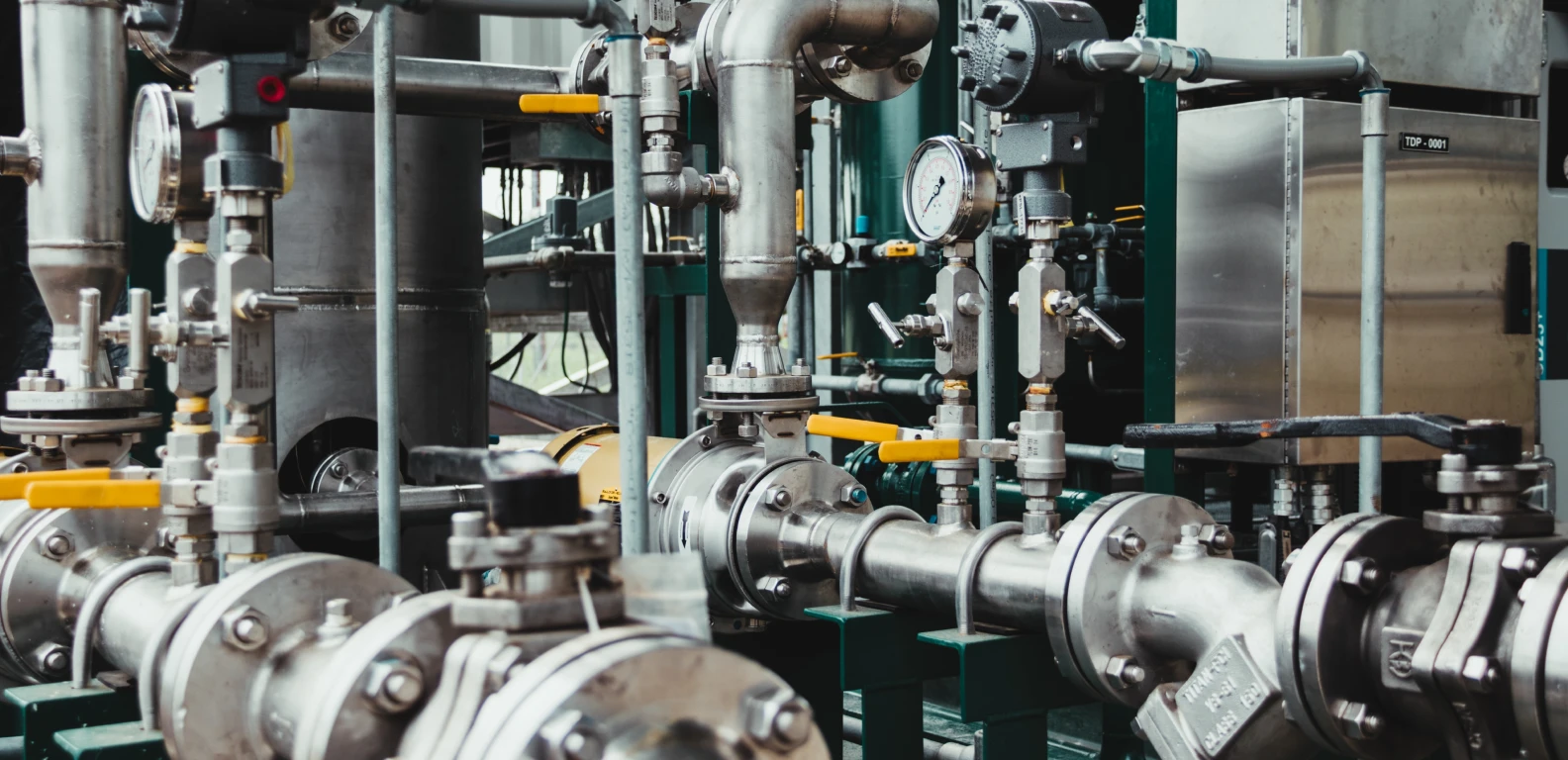
The Mechanics and Vulnerabilities of Dynamic Seals
A standard end-suction centrifugal pump requires an electric motor to rotate an internal impeller. This fundamental design necessitates that a metal shaft penetrates the pump casing. The clearance between this rotating shaft and the stationary casing must be sealed to prevent fluid from escaping into the atmosphere. The modern standard for this interface is the mechanical seal.
Fluid Film Dependency and Vaporization
A mechanical seal operates by pressing a rotating ring against a stationary ring utilizing mechanical compression springs. To prevent these two hard faces (often silicon carbide or tungsten carbide) from destroying each other through friction, a microscopic fluid film, typically 1 to 3 microns thick, must continuously exist between them. This film relies on the pumped process fluid for lubrication and thermal dissipation.
When pumping highly volatile organic compounds (VOCs) or low-boiling-point solvents, this lubricating film frequently vaporizes upon reaching the atmospheric side of the seal. Without a stable liquid film, the seal faces experience dry friction. The resulting extreme thermal shock causes the hard faces to crack, leading to catastrophic seal failure and hazardous fluid leakage.
Chemical Attack and Crystallization
Beyond vaporization, mechanical seals are highly susceptible to crystallization and chemical attack. When pumping fluids like concentrated sodium hydroxide (caustic soda) or aqueous urea, any fluid that migrates past the seal faces and contacts the atmosphere will instantly crystallize. These hard crystals act as a grinding paste, scoring the precision-lapped seal faces. Highly corrosive acids can also attack the metallic springs and retainers within the seal assembly, causing them to lose compression. Mitigating these issues typically requires complex external barrier fluid systems (API Flush Plans, such as Plan 53A or 54), which add immense capital cost, require continuous monitoring, and consume significant operational resources.
The Magnetic Drive Architecture: Achieving Static Containment
The definitive engineering solution to dynamic seal failure is to eliminate the shaft penetration entirely. Magnetic drive pumps (commonly designated as mag drive pumps) decouple the electric motor from the impeller physically, relying instead on magnetic flux for torque transmission.
Synchronous Torque Transmission
The architecture of a magnetic drive pump consists of three primary drive components: an outer magnetic rotor connected to the motor shaft, an inner magnetic rotor embedded within the impeller assembly, and a stationary isolation sleeve (containment shell) that acts as the pressure boundary separating the two rotors.
As the electric motor turns the outer rotor, the magnetic field penetrates the stationary isolation sleeve and locks synchronously with the inner rotor. The impeller rotates at the exact speed of the motor without any physical connection. Because there is no shaft penetrating the pump casing, the dynamic mechanical seal is entirely replaced by static O-ring seals between the casing flanges. This static containment removes the dynamic shaft seal as a leak path, securing toxic, flammable, and explosive chemicals inside the pump.
Material Science: Eradicating Magnetic Eddy Currents
While the mechanical concept of magnetic torque transmission is sound, the material execution of the isolation sleeve is critical to system efficiency and fluid safety.
In early or conventional magnetic drive pumps, the isolation sleeve is manufactured from high-strength metals such as Hastelloy or Titanium. However, rotating a powerful magnetic field around a conductive metallic cylinder generates electrical eddy currents within the metal. These eddy currents produce significant thermal energy, which is immediately absorbed by the process fluid inside the pump chamber. The heat generated is proportional to the square of the rotational speed and the thickness and conductivity of the metallic sleeve.
When handling temperature-sensitive chemicals or low-boiling-point solvents, this eddy current heating can cause the fluid to vaporize, inducing internal cavitation and breaking the suction prime. To resolve this, advanced chemical pumps utilize non-metallic, all-fluoroplastic isolation sleeves (such as F46 or PFA reinforced with carbon fiber). Because fluoroplastics are electrical insulators, they completely eradicate magnetic eddy current generation. This prevents unwanted fluid heating, protects volatile media, and significantly increases the electrical efficiency of the pumping unit by preventing power loss through heat.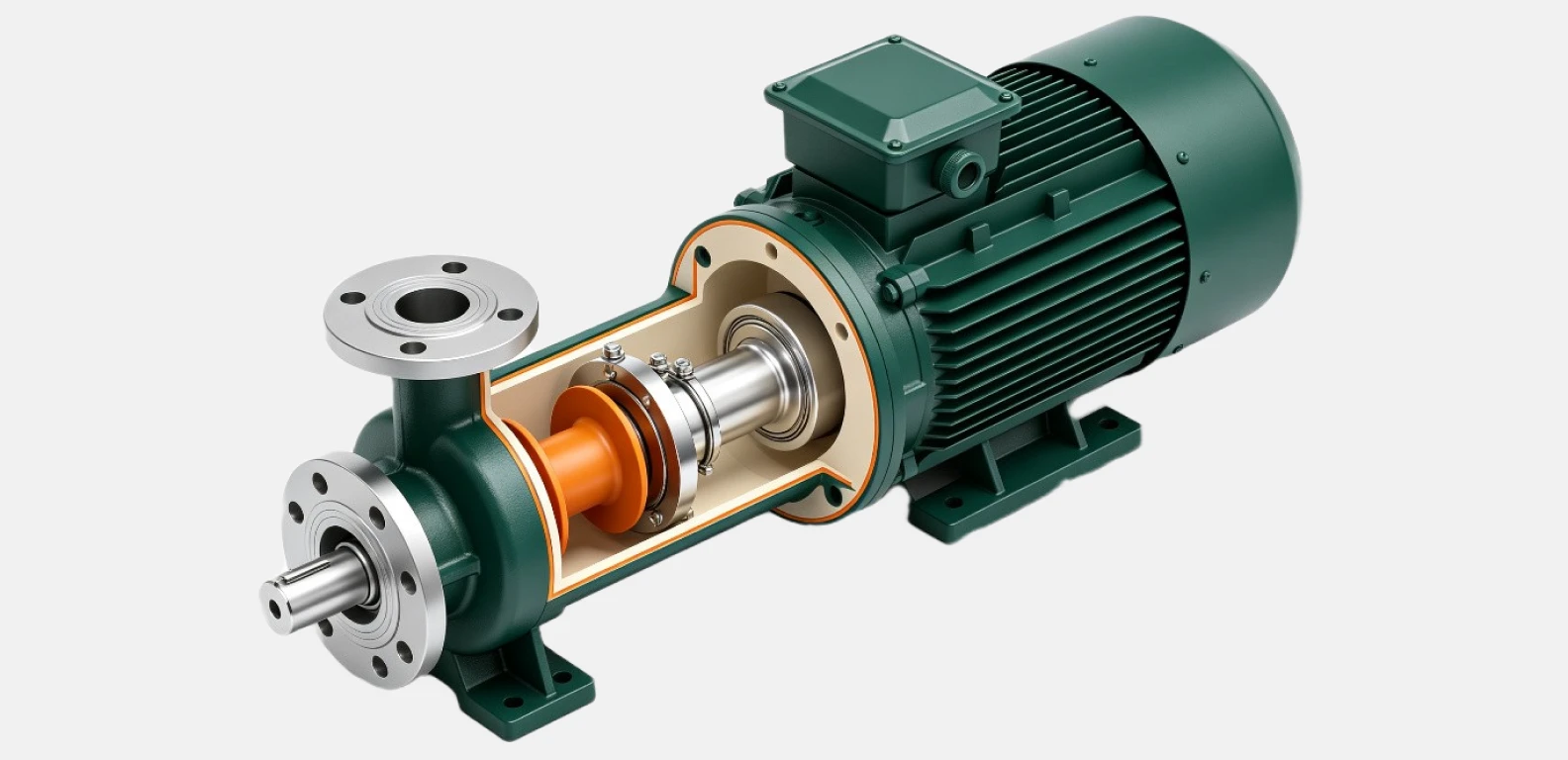
Internal Tribology: Silicon Carbide (SiC) Bearing Systems
Because the inner rotor operates completely sealed within the pumped fluid, it must be supported by internal bearings. The industry standard for magnetic drive pumps is highly pure Silicon Carbide (SiC) for both the rotating shaft sleeve and the stationary plain bearings.
SiC offers extreme hardness (second only to diamond), exceptional thermal conductivity, and near-universal chemical inertness. This allows the internal bearing assembly to withstand trace particulates without severe wear. However, these plain bearings rely exclusively on the pumped fluid to generate a hydrodynamic lubricating film. Consequently, dry running is strictly prohibited in magnetic drive pumps. Operating without fluid causes the SiC bearings to suffer rapid thermal shock and shatter within seconds. To prevent this, modern installations are equipped with active motor power monitors that detect the sudden drop in electrical load associated with fluid loss, instantaneously shutting down the motor before dry-run damage occurs.
The Economics of Sealless Technology (TCO Analysis)
Historically, plant engineers resisted magnetic drive pumps due to a higher initial capital expenditure (CAPEX) compared to standard mechanically sealed centrifugal pumps. However, heavy industry evaluates equipment based on the Total Cost of Ownership (TCO) over a 10 to 15-year lifecycle.
A mechanically sealed pump transferring aggressive chemicals requires frequent seal replacements, constant monitoring of barrier fluid levels, and the maintenance of complex API flush support systems. The indirect costs associated with environmental cleanup, production downtime, and regulatory fines for fugitive emissions are substantial.
A fluoroplastic-lined magnetic drive pump eliminates the need for API flush systems, barrier fluids, and seal replacement inventory. Aside from routine inspection of the external motor bearings and the internal bearing assembly at planned intervals, the pump requires little routine maintenance. The reduction in operational expenditure (OPEX) and the elimination of downtime typically offset the higher initial CAPEX within the first 18 to 24 months of operation, driving the economic justification for the industry-wide transition.
Conclusion and Engineering Evaluation
The transition from dynamic mechanical seals to sealless magnetic drive fluid containment represents a necessary evolution in chemical processing safety and economics. By eliminating the shaft penetration, eradicating eddy currents via fluoroplastic materials, and leveraging SiC tribology, facilities can achieve reliable fluid containment and stabilize continuous operations.
If your facility is experiencing chronic mechanical seal failures, high maintenance overheads, or regulatory pressure regarding fugitive emissions, it is necessary to audit your fluid transfer infrastructure. Our engineering department specializes in mapping fluid dynamics, vapor pressures, and chemical corrosivity to the optimal magnetic drive architecture. Contact our technical team today to request a comprehensive TCO analysis and a customized sealless pump transition strategy for your process lines.
Frequently Asked Questions (FAQ)
- What makes a magnetic drive pump a sealless containment solution?
A magnetic drive pump eliminates the physical rotating shaft that penetrates the pump casing in conventional pumps. Instead, a stationary isolation sleeve hermetically encloses the fluid inside the casing, transmitting motor torque synchronously via magnetic flux. By eliminating the shaft penetration, failure-prone dynamic mechanical seals are replaced with static O-ring seals, effectively removing the dynamic shaft seal as a leak path and strictly preventing fugitive emissions. - Can a magnetic drive pump handle solid particles?
Standard magnetic drive pumps are designed for clean, clear liquids. The internal Silicon Carbide plain bearings and the tight tolerances between the inner rotor and the isolation sleeve will suffer severe abrasive damage if hard solids are present. If the fluid contains particles, a lined centrifugal slurry pump with a mechanical seal is the required alternative. - Why is an all-plastic isolation sleeve preferred over a metal one?
A metallic isolation sleeve interacting with a rotating magnetic field generates electrical eddy currents, which produce excess heat that warms the process fluid. An all-plastic (fluoroplastic) sleeve is non-conductive, producing zero eddy currents. This prevents the fluid from overheating and vaporizing, while also improving motor efficiency. - What happens if the magnetic pump loses fluid and runs dry?
Dry running is highly destructive to a magnetic drive pump. The internal Silicon Carbide bearings rely on the pumped fluid for hydrodynamic lubrication and cooling. Operating without fluid causes intense friction heat, leading to rapid thermal shock and shattering of the ceramic bearings. Inline flow monitors or power sensors must be used to prevent this condition. - Are magnetic drive pumps interchangeable with my existing ISO centrifugal pumps?
Yes. Advanced magnetic drive pumps are engineered to conform to standard ISO 2858 and DIN EN 22858 dimensional specifications. This allows plant engineers to directly replace failing, mechanically sealed pumps with sealless magnetic models without having to modify existing pipework or baseplate foundations.
-

YFTEL Pumps
Fluid Engineers & Technical Support, YFTEL Pump
YFTEL is a chemical pump manufacturer based in Hangzhou, China, with a 26,000 m² production base in Hangzhou, China, with a 26,000 m² production base in Anhui. Using the CAS-patented Fluoroplastic Alloy material, we produce 300+ models of corrosion-resistant pumps, valves and piping, exported to 30+ countries.












