
We engineer and manufacture heavy-duty self priming pumps for aggressive chemical applications. Featuring fluoroplastic wetted parts, these pumps eliminate the need for foot valves and submerged installations, providing reliable suction lift for acids, alkalis, and industrial wastewater.
| Model Series | Pump Type | Flow Rate (m³/h) | Head (m) | Suction Lift (m) | Operating Temp (°C) |
|---|---|---|---|---|---|
| FZB Series | Fluoroplastic Lined Self-Priming Centrifugal | 3.6 - 100 | 15 - 55 | 2 - 4 | -20 to 100 |
| ZMD Series | Fluoroplastic Lined Self-Priming Magnetic Drive | 3 - 60 | 20 - 48 | Up to 3 | -20 to 80 |
Note: The self-priming height is based on clear water. Actual suction lift capacity will decrease proportionally based on the specific gravity (density) of the pumped chemical medium. Please consult our engineers with your fluid data for accurate sizing.
Pump selection starts with the fluid parameters and site geometry. Whether you are lifting concentrated sulfuric acid from an underground sump or transferring volatile solvents from tanker trucks, our engineering team maps your flow, head, and suction lift constraints directly against our performance databases. Below are typical applications where our self priming pumps operate efficiently.
Lifting corrosive effluent and waste chemicals out of underground storage tanks and collection sumps where installing submerged pumps is impractical or maintenance-intensive.
Transferring aggressive acids and solvents from tanker trucks and IBC totes. The automatic re-prime capability ensures safe and continuous operation between multiple batches.
Functioning as a reliable self priming transfer pump in multi-product chemical plants, quickly restoring flow after idle periods without requiring operator intervention.
Handling acidic and alkaline effluents in industrial water treatment facilities. The robust fluoroplastic casing resists chemical attack and guarantees stable lift.
Circulating plating solutions and acid rinses. The ZMD magnetic self-priming series ensures absolutely zero leakage of hazardous heavy-metal solutions in surface treatment lines.

With over two decades focused on fluoroplastic and stainless steel pump engineering, our facility controls the entire production cycle—from raw material sintering and lining to final precision machining, ensuring uncompromised quality.
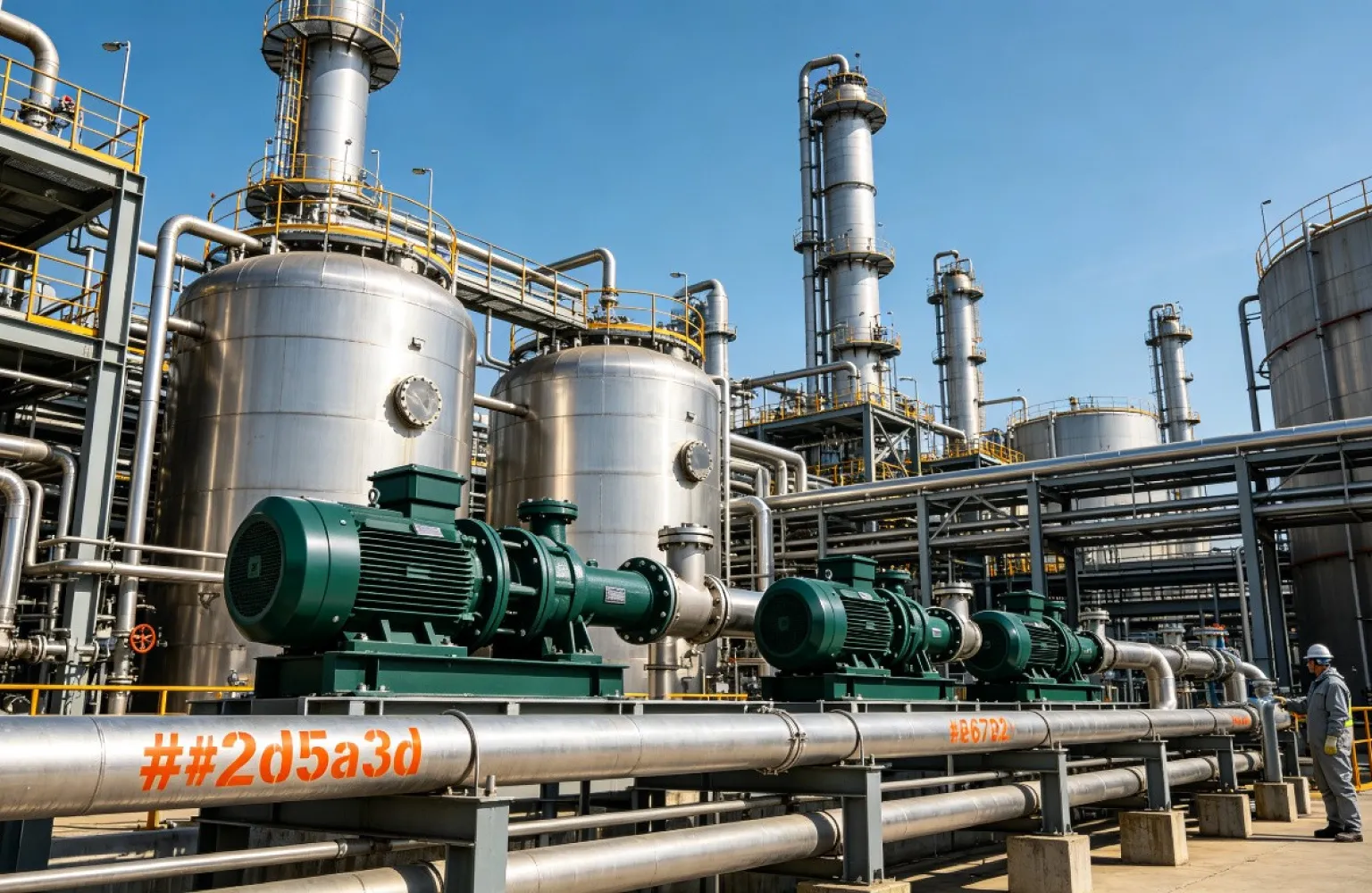
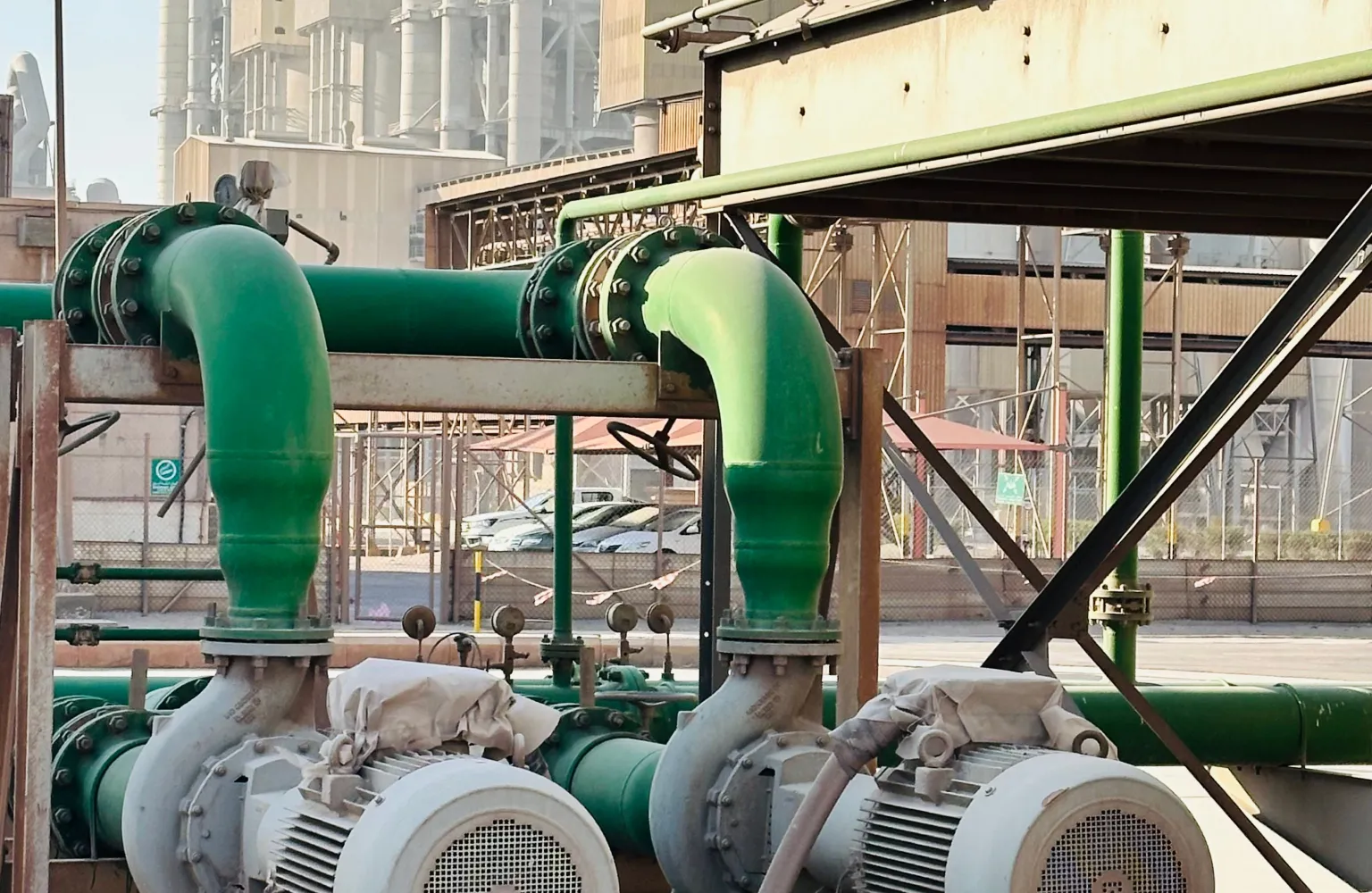
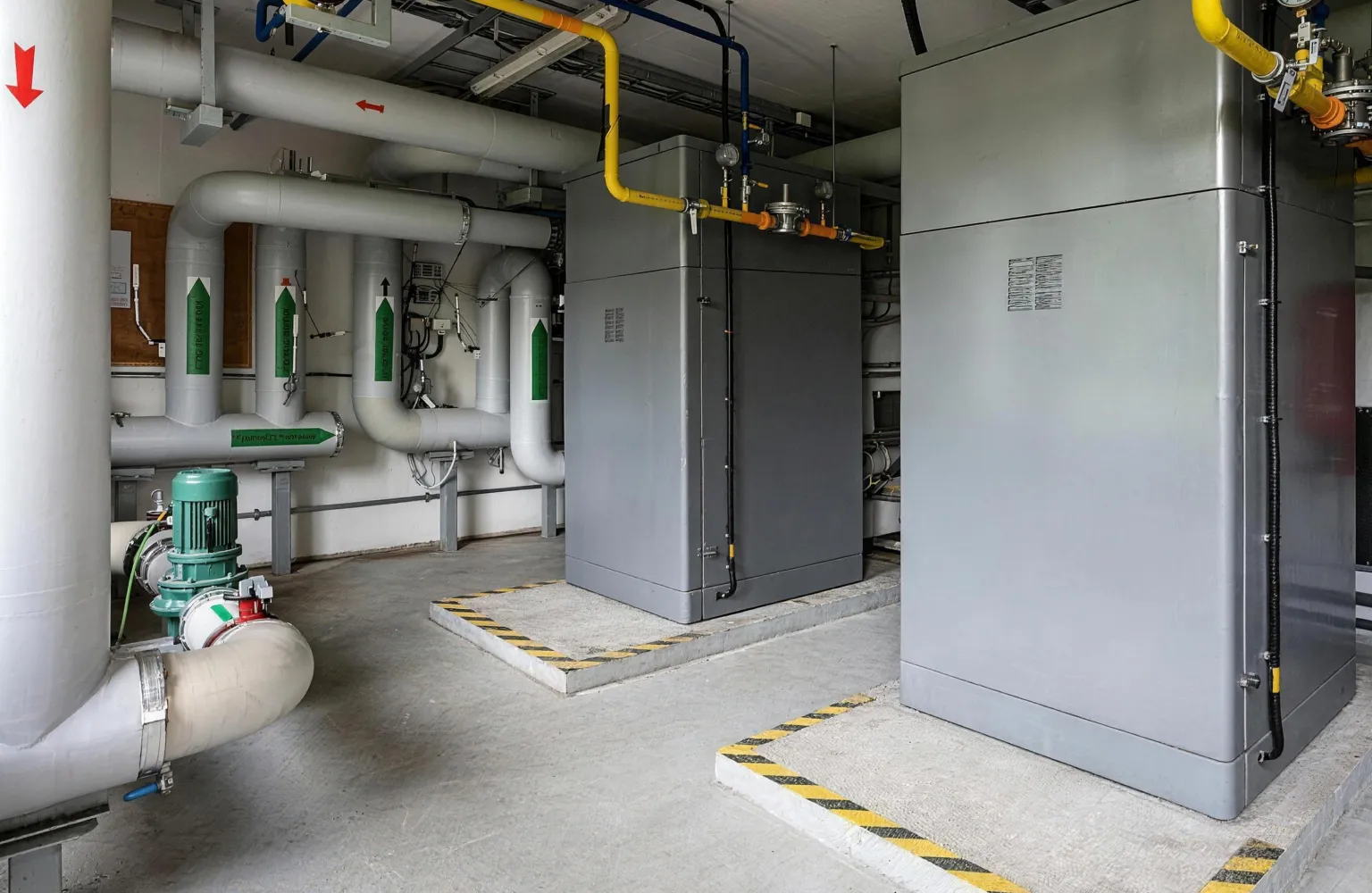
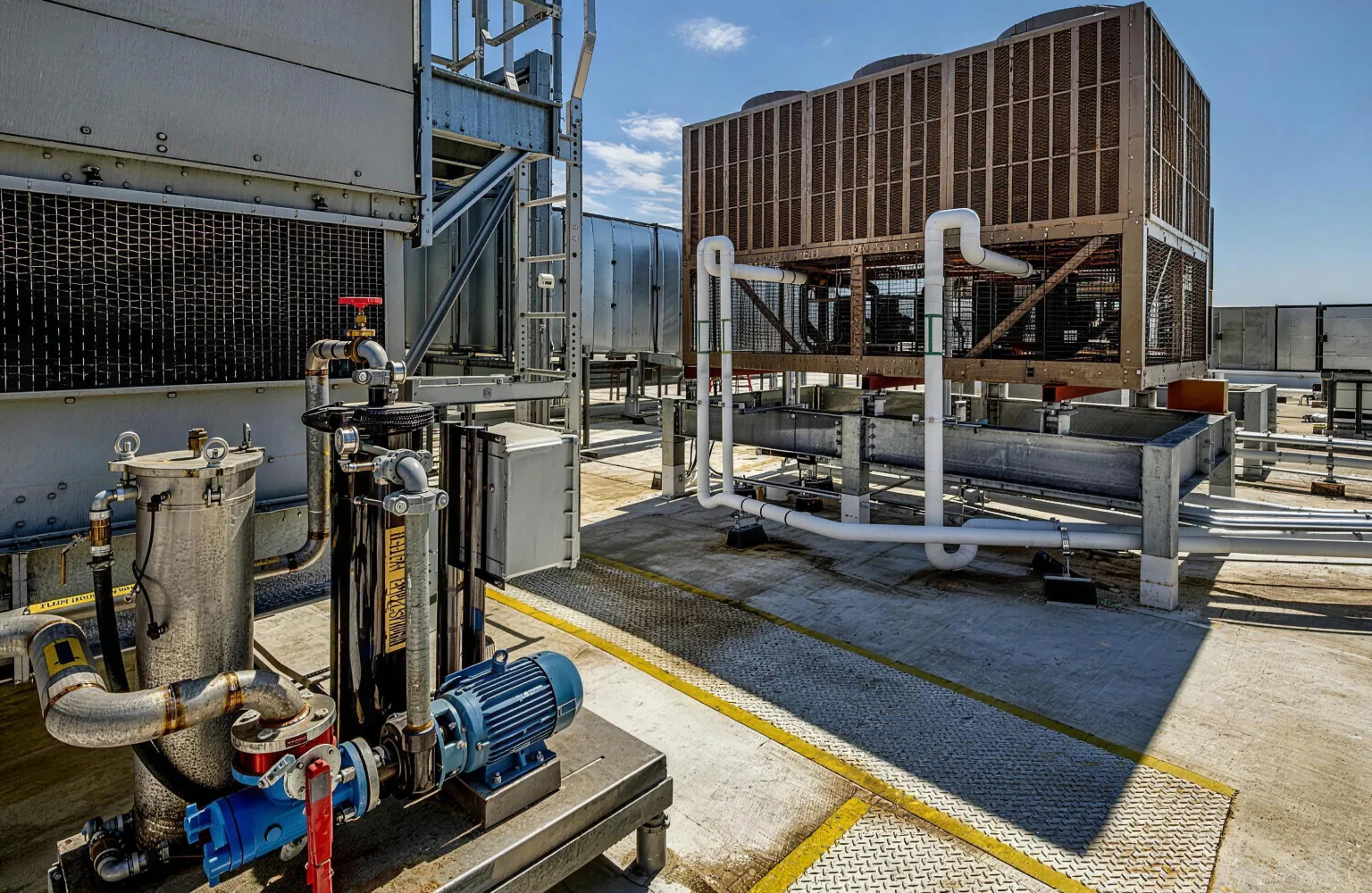
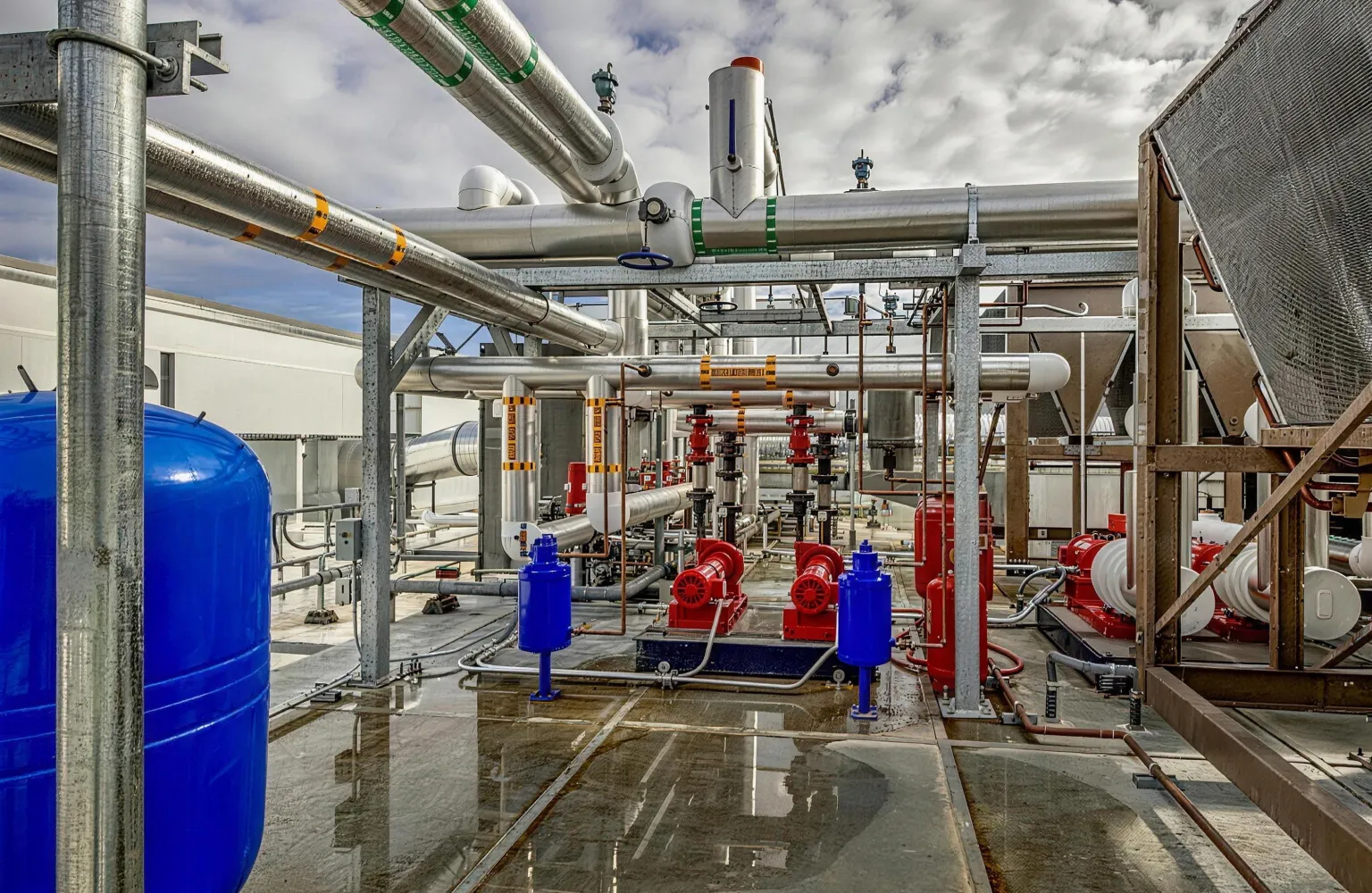
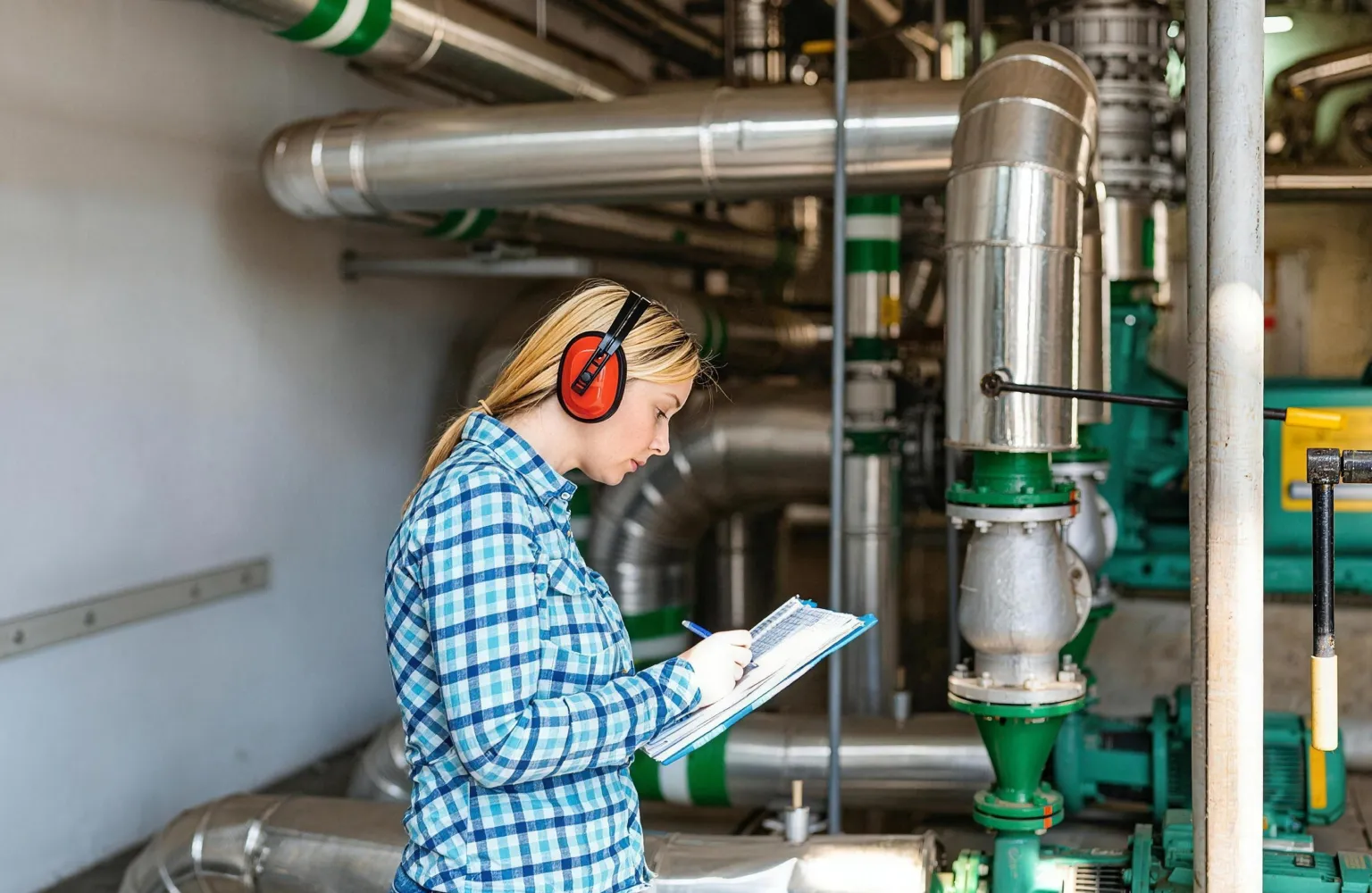
YFTEL manufactures corrosion-resistant pumps, valves and piping at a 26,000 m² production base in Anhui, with international trade operations headquartered in Hangzhou. The factory runs 200 sets of production equipment, employs 200+ staff including 30+ fluid engineers, and ships over 32,000 pump and valve units per year across 10 series and 300+ models. Production is ISO9001 certified, products carry CE marking, and exports currently reach customers in 30+ countries.
About Us ENGINEERING CASES SolutionsThe maximum vertical suction lift typically ranges from 2 to 4 meters. The exact lift capacity depends heavily on the specific gravity (density) and vapor pressure of the medium. Pumping heavier acids (like concentrated sulfuric acid) will proportionally reduce the maximum achievable vertical lift.
No. Once the internal chamber is initially filled with the operating liquid, the pump retains enough fluid to re-prime itself automatically on all subsequent starts. A suction check valve is only recommended if the pump will sit idle for extended periods to prevent total drain-back.
The wetted components are heavily lined with F46 (FEP) fluoroplastic alloy, which is supported by an outer cast-iron casing. This structure provides the mechanical rigidity of metal combined with the superior, near-universal chemical resistance of fluoropolymers.
Standard self-priming chemical pumps are designed for clear corrosive liquids. If your medium contains solid particles or crystallizing salts, please specify the solids percentage so we can recommend a semi-open impeller configuration or an alternative slurry pump design.
Before the very first operation, the pump casing must be manually filled with the liquid to be pumped. Never run the pump dry. Subsequent starts will not require manual filling, provided the retained liquid has not completely evaporated or been manually drained from the volute.
Transferring hazardous, corrosive liquids from underground sumps, low-level storage tanks, and tanker trucks presents significant engineering challenges. Standard end-suction pumps cannot evacuate air from a suction line, necessitating either flooded suction piping or highly problematic external vacuum systems. The industrial self priming pump resolves this constraint by integrating gas-liquid separation mechanics directly into the pump casing. This guide examines the operational principles, fluid dynamics, and installation protocols required to deploy these pumps reliably in chemical processing environments.
A self priming centrifugal pump operates by mixing air from the suction line with a small volume of liquid permanently retained in its casing. During the initial priming cycle, the rotating impeller discharges this air-liquid mixture into an oversized separation chamber (the volute housing). Because air is lighter than the liquid, it separates and vents out through the discharge line, while the heavier liquid drops back into the impeller eye to entrain more air. This continuous cycle gradually lowers the pressure in the suction piping, allowing atmospheric pressure to push the fluid up into the pump.
Once the suction piping is fully evacuated of air and filled with the medium, the pump operates exactly like a standard centrifugal pump. When the motor is deactivated, a specially designed internal siphon-break or retaining lip ensures that a sufficient volume of liquid remains trapped inside the casing. This trapped liquid is the critical element that allows the self priming water pump or chemical pump to re-prime automatically during the next startup without operator intervention or the reliance on a mechanical foot valve.
The ability of a pump to lift liquid is strictly governed by atmospheric pressure and the physical properties of the fluid. While the theoretical maximum suction lift of clear water is approximately 10 meters, practical industrial applications typically limit this to 2 to 4 meters, particularly when handling heavy or volatile chemicals.
Specific Gravity: The density of the fluid directly impacts the achievable suction lift. A pump capable of lifting water (specific gravity 1.0) by 4 meters will have a proportionally lower lift capacity when handling concentrated sulfuric acid (specific gravity ~1.84). The actual suction height must be calculated by dividing the clear water lift rating by the fluid's specific gravity (e.g., 3 meters / 1.84 = 1.63 meters maximum practical lift).
Vapor Pressure and Temperature: As fluid temperature increases, its vapor pressure rises. If the absolute pressure in the suction line drops below the liquid's vapor pressure, the fluid will boil, causing severe cavitation and breaking the prime. Therefore, pumping volatile solvents or high-temperature acids requires careful engineering calculations of the Net Positive Suction Head Available (NPSHa) versus the pump's required NPSHr.
Handling aggressive media requires specialized wetted components. Standard cast iron or stainless steel will rapidly degrade when exposed to strong mineral acids, halogens, or highly caustic solutions. To achieve long-term durability and safety, the casing and impeller of the self priming transfer pump are constructed using fluoroplastic alloys, primarily F46 (Perfluoroethylene propylene) or FEP.
The manufacturing process involves casting a heavy-duty outer armor of iron or steel, which provides the mechanical rigidity necessary to withstand piping loads, mechanical shock, and internal hydraulic pressure. The interior is then heavily lined with the fluoroplastic material through precision molding and sintering. This construction ensures that the aggressive medium never contacts the metallic structure. The fluoroplastic lining is chemically inert to nearly all industrial chemicals, allowing the exact same pump design to be deployed across a facility for hydrochloric acid, sodium hydroxide, and strong oxidizers without risking galvanic corrosion or material degradation.
The success of a self-priming system is heavily dependent on proper piping geometry. Adhering to strict installation guidelines ensures the pump can clear the suction line efficiently without overheating.
Depending on the hazard classification of the medium, plant engineers can specify either dynamic or static sealing mechanisms for their self-priming applications.
The FZB series utilizes a standard centrifugal design equipped with an outboard mechanical seal. This configuration is highly efficient, robust, and straightforward to maintain, making it ideal for general chemical transfer, wastewater lifting, and bulk acid unloading.
For applications involving highly toxic, flammable, or volatile liquids where fugitive emissions are strictly prohibited by environmental regulations, the ZMD series integrates self-priming capabilities with sealless magnetic drive technology. In this configuration, the pump chamber is hermetically sealed by a stationary non-metallic isolation sleeve. Torque is transferred from the motor to the impeller via synchronous magnetic couplings. This sealless design guarantees absolute zero-leakage fluid transfer, meeting the highest environmental and occupational safety standards while still providing the convenience of top-suction lift.


 English














