English

The Critical Dynamics of Fluid Transfer in Surface Treatment
In electroplating, steel pickling, and industrial anodizing operations, fluid transfer systems govern the fundamental quality of the finished product. These processes utilize highly aggressive chemicals, including hot hydrochloric acid, concentrated sulfuric acid, nitric acid, and chromic acid. The pumping infrastructure faces a dual mandate: it must withstand extreme internal corrosion while protecting fluid purity. Introducing trace metal contaminants from a degrading pump casing into a precious metal plating bath will instantly ruin the chemical balance, causing defective plating adhesion and massive financial losses. Developing reliable process pump solutions for surface treatment requires strict metallurgical control and advanced sealing architectures.
Analyzing Centrifugal Pump Problems and Solutions in Acid Lines
Traditional industrial water pumps and standard stainless steel chemical pumps present severe operational liabilities in surface treatment lines. When exposed to hot chlorides or fluorides, the protective oxide layer on standard stainless steel degrades, leading to rapid pitting and galvanic corrosion. This corrosion destroys the pump and leaches heavy metal ions (such as iron, nickel, or chromium) directly into the process fluid.
Dynamic mechanical seals are also highly vulnerable in acid transfer applications. As the acid attacks the metallic springs and retainers of the seal assembly, the seal faces lose compression. The resulting leakage of highly toxic and corrosive acids damages the surrounding plant infrastructure, destroys concrete flooring, and creates severe occupational safety hazards. The engineering solution requires transitioning to chemically inert wetted materials and deploying static sealing mechanisms.
Fluoroplastic Lined Pumps for Steel Pickling Operations
In steel and wire manufacturing, pickling lines utilize hot acid baths to remove mill scale and impurities from the metal surface. These environments demand industrial pump solutions that combine structural rigidity with broad chemical resistance.
The F46 Composite Architecture
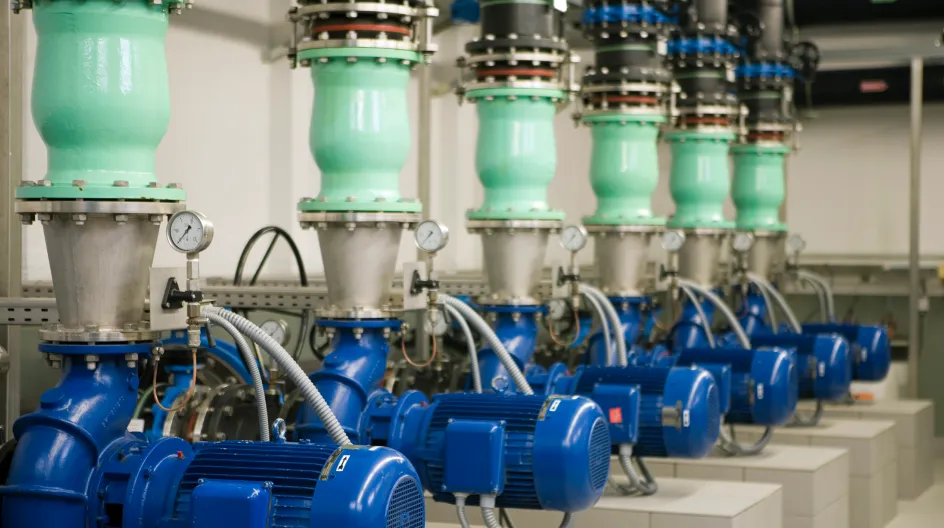
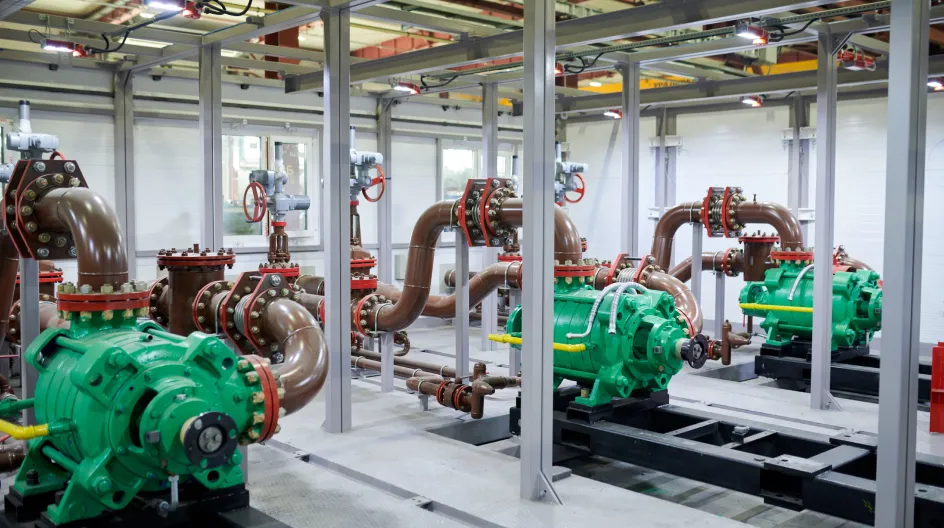
The optimal approach for transferring hot pickling acids involves composite pump construction. The IHF series utilizes a heavy-duty cast iron outer casing, which provides the high tensile strength necessary to withstand pipeline stresses, thermal expansion, and system pressures up to 1.6 MPa. The internal cavity of this metallic armor is heavily lined with F46 (Fluorinated Ethylene Propylene, FEP) fluoroplastic. This lining forms an impenetrable barrier between the aggressive acid and the metal casing. F46 provides broad chemical resistance across the acid concentrations used in pickling service, within its rated temperature range, supporting continuous fluid transfer without structural degradation or ionic leaching.
Handling Abrasive Pickling Sludge with UHMWPE
As the pickling process progresses, the acid bath accumulates a significant volume of dissolved metals, rust flakes, and hard iron scale. Pumping this abrasive sludge introduces severe mechanical wear that can rapidly erode soft fluoroplastic linings. For these specific applications, the designated pump solution is the UHB-ZK series. This pump features a steel matrix lined with an 8 to 20 mm thick layer of Ultra-High-Molecular-Weight Polyethylene (UHMWPE). UHMWPE provides phenomenal abrasion resistance, effectively managing the abrasive iron scale while maintaining chemical resistance to the acid. Integrated with a semi-open impeller, the pump allows solid particulates to pass through the volute without causing internal blockages.
Sealless Magnetic Drive Pumps for High-Purity Electroplating
In fine surface treatment, such as gold, silver, or hard chrome plating, maintaining the exact chemical composition of the electrolyte bath is the absolute priority. The zero-leakage requirement makes magnetic drive technology the mandatory specification.
Eliminating Dynamic Seal Contamination
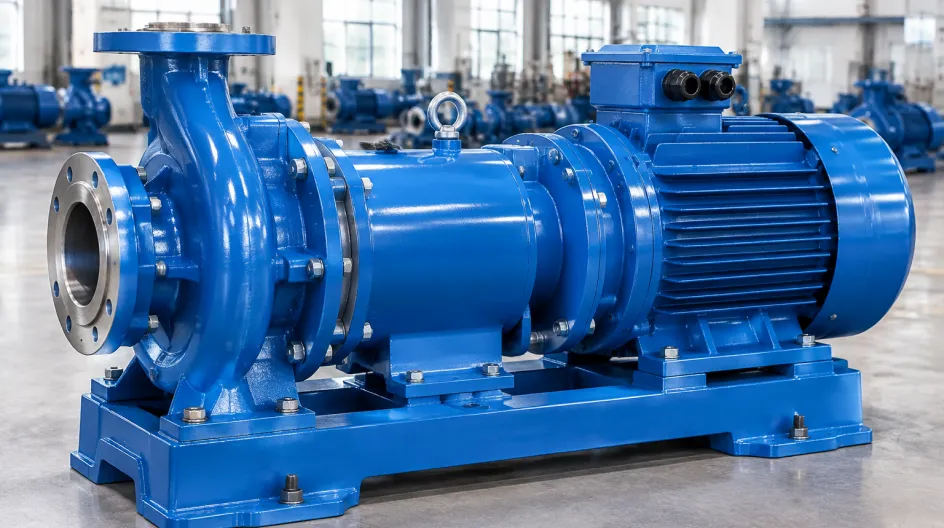
Sealless magnetic drive pumps (such as the CQB series) completely eliminate the dynamic shaft seal. Torque from the electric motor is transmitted to the internal impeller via a synchronous magnetic field across a stationary, non-metallic isolation sleeve. Because there is no physical shaft penetrating the pump casing, there is no pathway for the plating solution to leak, nor is there a mechanical seal that requires external flushing or maintenance. This static containment guarantees that expensive and highly toxic plating solutions remain securely inside the system loop.
Protecting the Electrolyte from Eddy Current Heat
Temperature control is critical in electroplating baths. In standard metallic magnetic pumps, the rotating magnetic field generates electrical eddy currents within the metal isolation sleeve, producing localized heat that transfers directly into the plating solution. Advanced fluoroplastic magnetic pumps utilize all-plastic isolation sleeves. Being non-conductive, the fluoroplastic sleeve eliminates eddy current losses in the sleeve. This prevents unwanted temperature fluctuations in the plating bath and maximizes the electrical efficiency of the pump motor.
Inline Pump Solutions for Filtration Skids
Electroplating baths require continuous filtration to remove microscopic particulates and maintain finishing quality. The filtration equipment is typically mounted on compact, portable skids adjacent to the plating tanks. Spatial efficiency is a major engineering constraint.
Vertical inline centrifugal pumps (like the GF/GDF series) provide the necessary hydraulic flow while drastically minimizing the installation footprint. Featuring inlet and outlet nozzles on the exact same centerline, the inline pump integrates directly into the vertical filtration pipework, acting structurally similar to a valve. This architecture eliminates the need for large horizontal baseplates and complex piping reducers. The top-pull-out design also allows maintenance technicians to extract the motor and impeller assembly vertically without disconnecting the main pipelines, facilitating rapid filter media changes and minimizing production downtime.
Evaluate Your Surface Treatment Infrastructure
Operating a profitable surface treatment or electroplating line requires fluid transfer systems that do not leak, do not contaminate the product, and do not fail under continuous acid exposure. By transitioning from standard metallic pumps to fluoroplastic-lined and sealless magnetic drive technologies, facility operators eliminate product rejection caused by ionic contamination and resolve the chronic hazards of acid leakage. Our engineering team specializes in mapping fluid corrosivity, specific gravity, and particulate content to the optimal industrial pump solutions. Contact us to initiate a comprehensive technical review of your pickling lines, filtration skids, and acid circulation loops to secure a permanent, corrosion-proof pumping infrastructure.
Frequently Asked Questions (FAQ)
1. Why do standard stainless steel pumps ruin electroplating baths?
Standard stainless steel relies on a passive oxide layer for corrosion resistance. Hot acids and chlorides present in plating baths aggressively strip this layer, causing the steel to corrode and leach heavy metal ions (like nickel and iron) into the fluid. This ionic contamination instantly disrupts the delicate chemical balance of the plating bath, leading to defective surface adhesion on the finished products.
2. How do magnetic drive pumps prevent acid spills in pickling lines?
Standard centrifugal pumps use mechanical seals, which eventually wear out and leak aggressive acids onto the plant floor. Magnetic drive pumps (like the CQB series) eliminate the mechanical seal entirely. They use a static isolation sleeve to hermetically seal the fluid inside the casing, transmitting motor torque via a magnetic field, thereby guaranteeing zero leakage.
3. What is the best pump solution for handling pickling acid containing iron scale?
When pickling acid accumulates hard metal flakes and rust (iron scale), it becomes highly abrasive. The optimal solution is the UHB-ZK slurry pump. It utilizes an 8-20 mm thick Ultra-High-Molecular-Weight Polyethylene (UHMWPE) lining and a semi-open impeller, specifically engineered to withstand severe mechanical abrasion while maintaining excellent acid resistance.
4. What is the maximum operating temperature for your fluoroplastic plating pumps?
Our standard F46 (FEP) fluoroplastic-lined centrifugal pumps (such as the IHF series) are rated for continuous operation at fluid temperatures up to 100°C, with special constructions available for service up to 150°C, making them suitable for circulating hot sulfuric or hydrochloric acid in heavy pickling operations.
5. Do magnetic drive pumps add heat to the plating solution?
If a magnetic pump utilizes a metallic isolation sleeve, it will generate eddy currents that transfer heat into the fluid. However, our advanced fluoroplastic magnetic drive pumps utilize non-metallic, all-plastic isolation sleeves. This eliminates eddy current losses in the sleeve, ensuring no unwanted heat is added to your temperature-sensitive plating bath.
6. How do I size a pump for a skid-mounted plating filtration system?
For filtration skids where space is limited, we recommend the GF vertical inline pump. To size it accurately, please provide the required flow rate (which dictates the turnover rate of your plating tank), the total head (accounting for the pressure drop across your filter media), and the specific gravity and temperature of the chemical bath.
-

YFTEL Pumps
Fluid Engineers & Technical Support, YFTEL Pump
YFTEL is a chemical pump manufacturer based in Hangzhou, China, with a 26,000 m² production base in Hangzhou, China, with a 26,000 m² production base in Anhui. Using the CAS-patented Fluoroplastic Alloy material, we produce 300+ models of corrosion-resistant pumps, valves and piping, exported to 30+ countries.