English

The Engineering Challenge of Industrial Wastewater Transfer
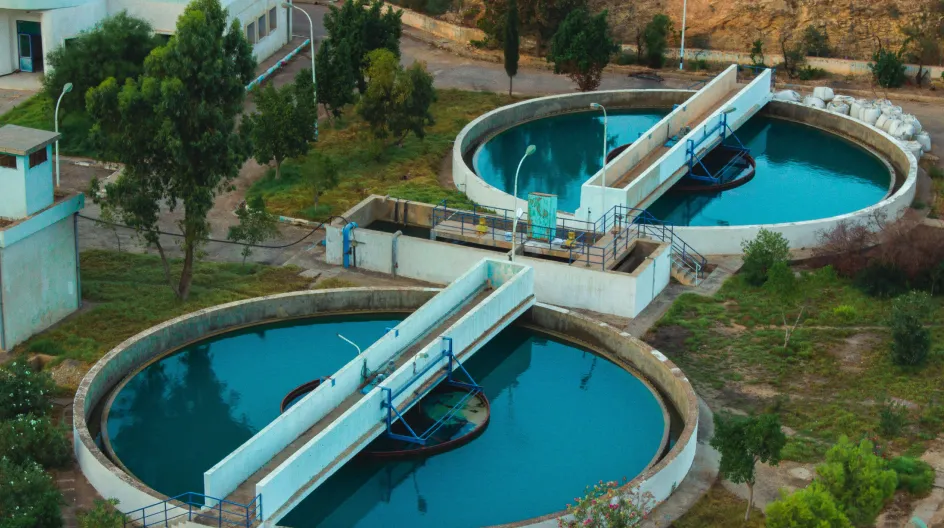
Industrial effluent treatment facilities face acute fluid transfer challenges. The convergence of highly acidic waste streams, abrasive suspended solids, and extreme chloride concentrations creates an operating environment where standard municipal water and sewage equipment rapidly degrades. Standard cast iron or 304 stainless steel architectures suffer from severe pitting, galvanic corrosion, and mechanical erosion within months of deployment. Formulating a reliable industrial water pump solution requires a fundamental shift in material science and pump geometry. This technical document explores the chronic failures associated with aggressive effluent transfer and details the deployment of fluoroplastic and advanced polymer-lined pumps to stabilize wastewater processing operations.
Resolving Submersible Water Pump Problems and Solutions
In chemical manufacturing and electroplating facilities, wastewater is typically collected in underground sumps, neutralization pits, or lift stations. Historically, plant engineers have deployed long-shaft submersible pumps to evacuate these basins. However, submersible water pump problems and solutions represent one of the most persistent maintenance burdens in the industry.
The Vulnerability of Submerged Architectures
Submerging an electric motor and a dynamic mechanical seal into a highly corrosive, toxic, or particulate-laden pit guarantees eventual ingress and failure. Acidic effluent attacks the metallic motor housing and compromises the elastomer seals. When the primary mechanical seal fails, the aggressive sewage floods the motor windings, resulting in a catastrophic electrical short circuit. Extracting a contaminated submersible pump for maintenance requires overhead cranes and exposes maintenance personnel to hazardous fumes and direct contact with toxic sludge.
The Surface-Mounted Self-Priming Alternative
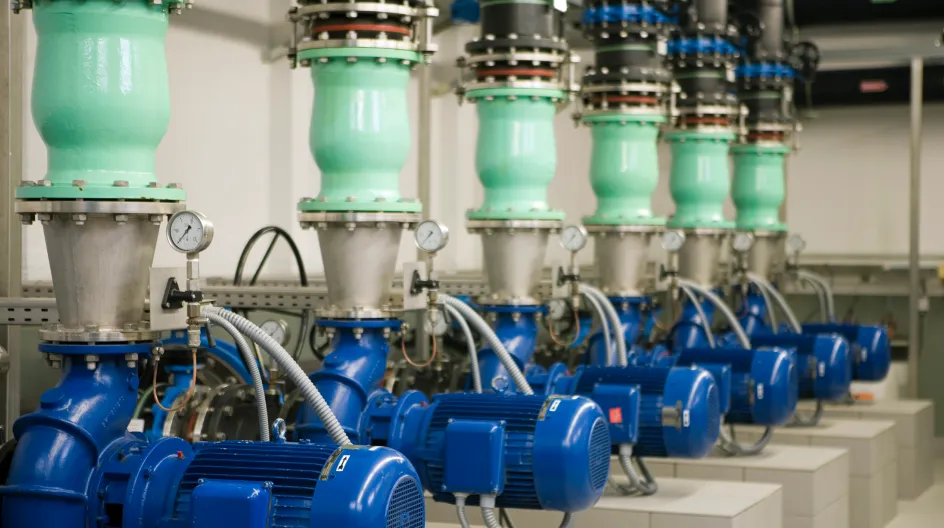
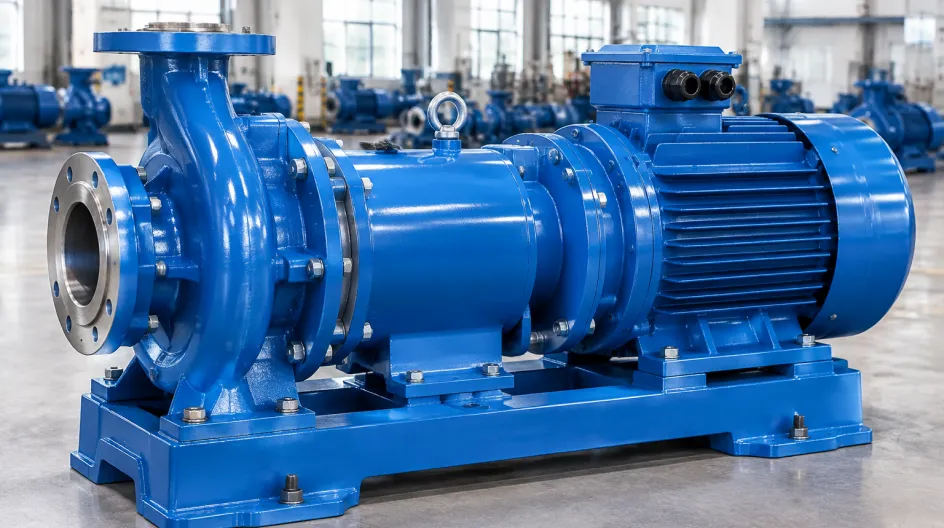
The definitive engineering solution to submersible pump failure is to remove the pump from the hazardous pit entirely. This is achieved by deploying a fluoroplastic-lined self-priming centrifugal pump (such as the FZB series) or a self-priming magnetic drive pump (ZMD series) installed safely at ground level.
These surface-mounted units require only a simple suction pipe extending down into the effluent sump. The integrated gas-liquid separation chamber within the pump casing allows the unit to evacuate air from the suction line and lift fluid vertically up to 4 meters. Once the initial manual prime is completed, the pump retains sufficient liquid to automatically re-prime on all subsequent starts. Maintenance technicians can inspect the motor, bearing housing, and mechanical seals directly on the factory floor in a safe, dry environment, drastically reducing downtime and improving occupational safety.
Addressing the Water Pump Overheating Solution
Thermal damage is a primary cause of catastrophic failure in chemical and wastewater transfer systems. Overheating destroys elastomeric O-rings, warps fluoroplastic linings, and shatters ceramic mechanical seal faces. Implementing an effective water pump overheating solution requires understanding the hydraulic and mechanical origins of excess thermal energy.
Dead-Heading and Minimum Flow Requirements
A centrifugal pump operates by transferring kinetic energy to the fluid. If a pump is operated against a completely closed discharge valve (dead-heading), or if the system resistance forces the pump to operate far below its Minimum Continuous Stable Flow (MCSF), the trapped fluid continuously recirculates within the volute casing. The kinetic energy introduced by the impeller transforms rapidly into thermal energy. In a fluoroplastic-lined pump, this localized boiling will cause the F46 (FEP) lining to soften, expand, and potentially tear away from the cast-iron matrix. The solution involves installing a minimum-flow bypass line that automatically routes a portion of the discharge fluid back to the suction tank, ensuring continuous heat dissipation even during low-demand periods.
Dry Running and Ceramic Bearing Failure
In magnetic drive pumps utilized for toxic wastewater transfer, the internal rotating assembly is supported by Silicon Carbide (SiC) plain bearings. These bearings rely entirely on the pumped fluid to generate a hydrodynamic lubricating film and to carry away friction heat. If the supply tank runs empty, the pump experiences a "dry run." Without fluid, the SiC bearings generate intense friction heat, leading to rapid thermal shock and shattering within seconds. The necessary industrial pump solution is active electronic monitoring. Installing an inline flow switch or a motor power monitor will detect the sudden drop in electrical load associated with fluid loss and instantly cut power to the motor, safeguarding the internal components.
Eddy Current Heating in Magnetic Drives
For highly volatile or temperature-sensitive effluents, metallic magnetic drive pumps present a unique overheating risk. The rotating magnetic field generates electrical eddy currents within a metallic isolation sleeve, producing substantial heat that transfers into the process fluid. Advanced solutions utilize non-metallic, high-strength fluoroplastic isolation sleeves. Because fluoroplastics are electrically non-conductive, they eliminate eddy current losses in the sleeve, preventing unwanted fluid heating and maximizing the electrical efficiency of the drive motor.
Advanced Sewage Pump Solutions for Abrasive Sludges
Industrial sewage often contains high concentrations of abrasive particulates, including catalyst fines, metal shavings, neutralizing lime, and precipitated salts. While fluoroplastic (F46) linings are impervious to chemical attack, their relatively soft surface can be scratched and eroded by hard, sharp particles.
The UHMWPE Slurry Pump Architecture
The correct sewage pump solutions for abrasive sludges involve transitioning from fluoroplastics to Ultra-High-Molecular-Weight Polyethylene (UHMWPE). Pumps like the UHB-ZK series are constructed with a heavy cast-steel matrix lined with an exceptionally thick (8 to 20 mm) layer of UHMWPE. This advanced polymer exhibits a phenomenally low coefficient of friction and superior abrasion resistance, often outperforming hardened steel in particulate wear tests. The extreme thickness of the lining provides a substantial sacrificial wear allowance, ensuring years of continuous service in aggressive effluent duty.
Semi-Open Impeller Dynamics
Handling dense, solid-bearing sludges requires specific internal geometry to prevent clogging. Standard closed impellers feature restrictive flow channels that easily trap fibrous waste and crystalline slurries. A reliable sludge transfer solution utilizes a semi-open impeller design. By eliminating the front shroud, the impeller provides a significantly wider and less restrictive flow passage through the volute casing, allowing large solids and high-density slurries to pass through the pump without causing internal blockages or unbalancing the rotating assembly.
Saline Water Pump Engineering for Desalination and Coastal Plants
Facilities utilizing seawater for cooling, or those managing high-salinity brine from reverse osmosis (RO) desalination reject streams, face severe metallurgical challenges. A dedicated saline water pump must combat the aggressive nature of chloride ions.
The Chloride Corrosion Mechanism
High concentrations of chlorides aggressively attack the passive oxide layer that protects standard stainless steels (such as 304 and 316L). This attack leads to rapid pitting corrosion and stress corrosion cracking, especially at elevated temperatures. While exotic metallurgy, such as Super Duplex stainless steel or pure Titanium, can withstand seawater, outfitting an entire plant with these materials requires massive capital expenditure.
The Fluoroplastic Alternative for Brine and Seawater
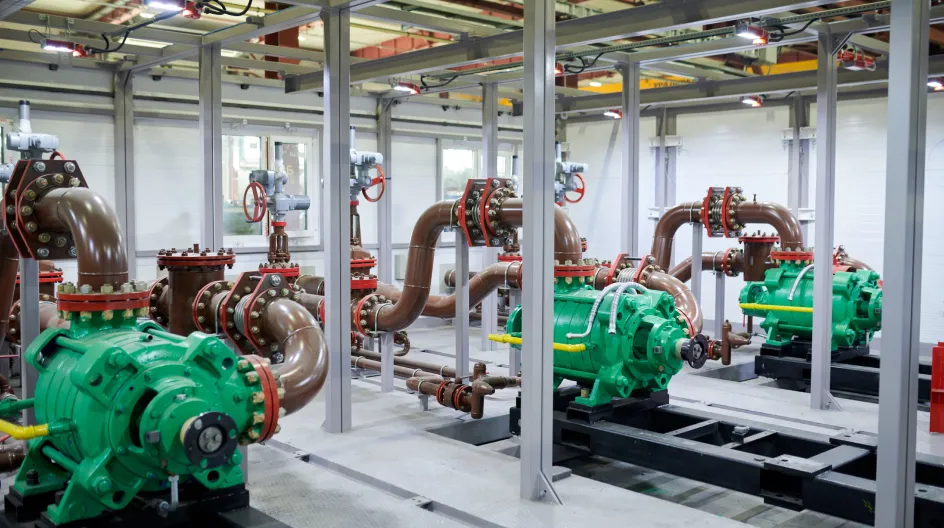
Fluoroplastic-lined centrifugal pumps (like the IHF series) provide a highly cost-effective saline water pump solution. The F46 lining provides corrosion resistance against chloride attack and pitting across a wide range of salinity, within its rated temperature limits. By utilizing a cast-iron outer armor to handle the mechanical system pressure (up to 1.6 MPa) and restricting the fluid contact entirely to the inert fluoroplastic, operators achieve the corrosion resistance of Titanium at a fraction of the procurement cost. This composite approach is now the standard specification for aggressive brine transfer, ion-exchange membrane electrolysis, and coastal chemical processing installations.
Evaluating Your Effluent Transfer Infrastructure
Industrial wastewater management is no longer a peripheral utility; it is a highly regulated core process that demands zero-failure equipment. Standardizing on advanced fluoroplastic and UHMWPE-lined pump technologies resolves chronic maintenance burdens, eliminates environmental leakage risks, and significantly reduces the total cost of ownership. Our engineering team specializes in diagnosing failing municipal-grade equipment and specifying chemical-grade replacements. Contact us to initiate a comprehensive technical review of your lift stations, neutralization pits, and effluent treatment loops to secure a permanent, corrosion-proof fluid transfer solution.
Frequently Asked Questions (FAQ)
1. Why do standard cast iron sewage pumps fail in industrial applications?
Standard cast iron and basic stainless steel pumps are designed for neutral municipal wastewater. Industrial effluents frequently contain un-neutralized acids, high chloride concentrations, and abrasive chemical sludges. These elements cause rapid galvanic corrosion, pitting, and mechanical erosion, destroying the pump casing and impeller within months.
2. What is the most effective submersible water pump problems and solutions strategy?
The most effective solution is to eliminate the submersible architecture entirely. By replacing submerged pumps with surface-mounted fluoroplastic self-priming pumps (such as the FZB series), you remove the electric motor and mechanical seals from the toxic pit. This prevents liquid ingress failures and allows maintenance to be performed safely at ground level.
3. How does your equipment provide a reliable water pump overheating solution?
We engineer systems to manage thermal loads through proper hydraulic selection (ensuring the pump operates near its Best Efficiency Point) and the integration of minimum-flow bypass lines to prevent dead-heading. For magnetic drive pumps, we utilize non-metallic isolation sleeves to eliminate heat-generating eddy current losses in the sleeve.
4. Which pump should I specify for highly abrasive industrial sewage?
For effluents containing hard particulates, catalyst fines, or lime slurries, standard fluoroplastics can wear prematurely. The correct specification is the UHB-ZK series slurry pump. It features an 8-20mm thick UHMWPE (Ultra-High-Molecular-Weight Polyethylene) lining and a semi-open impeller, specifically designed to resist intense mechanical abrasion and prevent clogging.
5. Can fluoroplastic lined pumps be used as a saline water pump for seawater and brine?
Absolutely. High-chloride saline water causes severe pitting in 316L stainless steel. Fluoroplastic linings (F46/FEP) provide broad corrosion resistance against chloride attack and galvanic corrosion within their rated operating limits. They offer long-term reliability for desalination reject streams and seawater cooling loops at a significantly lower cost than Titanium or Super Duplex alloys.
6. Do I need to manually prime the self-priming effluent pump every time I start it?
No. You only need to manually fill the pump casing with fluid before the very first startup. The internal volute design ensures that a sufficient volume of liquid remains trapped inside the casing when the motor stops. This retained liquid enables the pump to automatically re-prime the suction line on all subsequent starts.
-

YFTEL Pumps
Fluid Engineers & Technical Support, YFTEL Pump
YFTEL is a chemical pump manufacturer based in Hangzhou, China, with a 26,000 m² production base in Hangzhou, China, with a 26,000 m² production base in Anhui. Using the CAS-patented Fluoroplastic Alloy material, we produce 300+ models of corrosion-resistant pumps, valves and piping, exported to 30+ countries.