English

The Extreme Fluid Dynamics of the Chlor-Alkali Industry
The chlor-alkali process, which involves the electrolysis of sodium chloride solutions to produce chlorine and sodium hydroxide (caustic soda), represents one of the most mechanically and chemically demanding environments in heavy industry. The fluid streams within these facilities include raw saturated brine, wet chlorine gas, sodium hypochlorite, concentrated hydrochloric acid, and hot caustic soda. Standard metallic pumping equipment, including high-grade duplex stainless steels, degrades rapidly under the dual assault of chloride ion pitting and strong oxidative corrosion. Developing reliable industrial pump solutions for these applications requires specialized material science, advanced shaft sealing configurations, and strict adherence to specific gravity power calculations to prevent continuous plant downtime.
Resolving Centrifugal Pump Problems and Solutions in Brine and Caustic Transfer
Fluid transfer failures in chlor-alkali plants typically originate at the dynamic sealing interface or through the gradual chemical erosion of the pump volute. Standardizing on composite material architectures mitigates these chronic centrifugal pump problems and solutions.
Handling Raw and Saturated Brine Slurries
Before electrolysis, raw brine must be pumped through primary treatment systems to remove calcium, magnesium, and sulfate impurities. This fluid acts as a highly abrasive and corrosive slurry containing salt crystals and suspended solid coagulants. Operating standard thin-film plastic pumps in this environment leads to rapid impeller erosion.
The engineered pump solution for raw brine transfer utilizes the UHB-ZK series centrifugal slurry pump. This architecture features a heavy cast-steel outer casing lined with an exceptionally thick (8 to 20 mm) layer of Ultra-High-Molecular-Weight Polyethylene (UHMWPE). UHMWPE exhibits phenomenal abrasion resistance and low friction, easily withstanding the continuous scouring of salt crystals while remaining virtually inert to the high-chloride brine at temperatures up to 80°C. Coupled with a semi-open impeller, the pump prevents internal clogging and ensures stable hydraulic delivery to the filtration units.
Fluoroplastic Transfer for Concentrated Caustic Soda
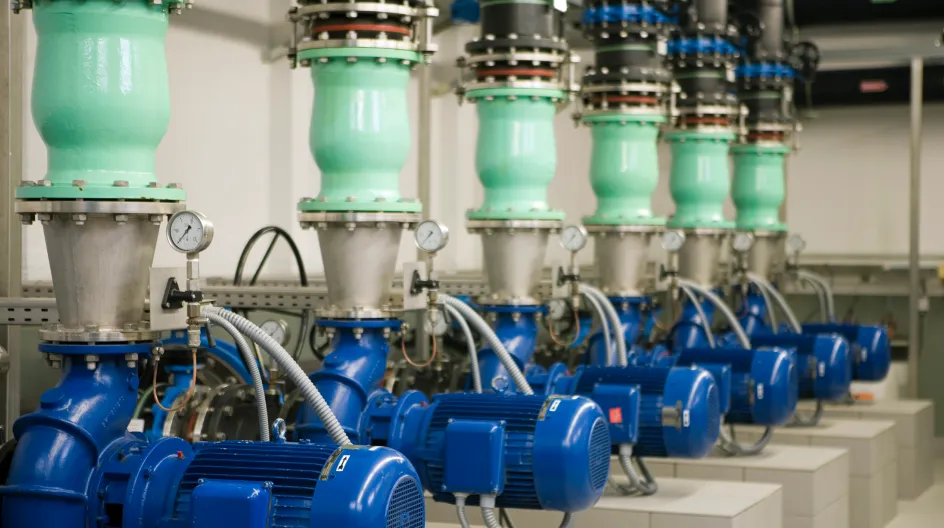
Post-electrolysis, the plant must handle concentrated sodium hydroxide (caustic soda) at elevated temperatures. High-temperature alkalis present severe stress corrosion cracking risks to standard metals. The designated process pump solutions for this stage involve fluoroplastic-lined centrifugal pumps, specifically the IHF series.
The IHF pump utilizes a heavy-duty HT200 cast iron casing to provide structural rigidity and withstand pipeline pressures up to 1.6 MPa. The internal wetted surfaces are heavily lined with F46 (Fluorinated Ethylene Propylene, FEP) through high-temperature sintering. F46 provides a continuous, chemically resistant barrier, safely handling hot caustic soda, hydrochloric acid, and sodium hypochlorite at continuous operating temperatures up to 100°C, with special constructions available for service up to 150°C. The process chemical never contacts the metallic substrate, eliminating the risk of chemical attack on the pump body.
Advanced Sealing Strategies for Crystallizing Media
A primary challenge when pumping highly concentrated caustic soda or saturated brine is the fluid's tendency to crystallize when exposed to the atmosphere or when temperatures drop across the seal face. In a standard single mechanical seal, the microscopic fluid film lubricating the seal faces will evaporate, leaving abrasive salt crystals. These crystals act as an abrasive, rapidly wearing the seal faces.
To solve this, chlor-alkali process pump solutions incorporate double-end mechanical seals equipped with an external API Plan 54 flushing system. A pressurized, clean barrier fluid is circulated between the inboard and outboard seals. This barrier fluid maintains stable thermal conditions, prevents the process chemical from migrating to the atmosphere, and continuously lubricates the seal faces, ensuring thousands of hours of leak-free operation even in heavy crystallizing environments.
Magnetic Drive Solutions for Petrochemical Solvents
In downstream petrochemical applications and fine chemical synthesis, facilities transfer volatile organic compounds (VOCs) such as benzene, toluene, xylene, and complex esters. These fluids present severe flammability and toxicity risks. Any mechanical seal failure introduces fugitive emissions that violate environmental regulations and create explosive atmospheres.
The Sealless Containment Architecture
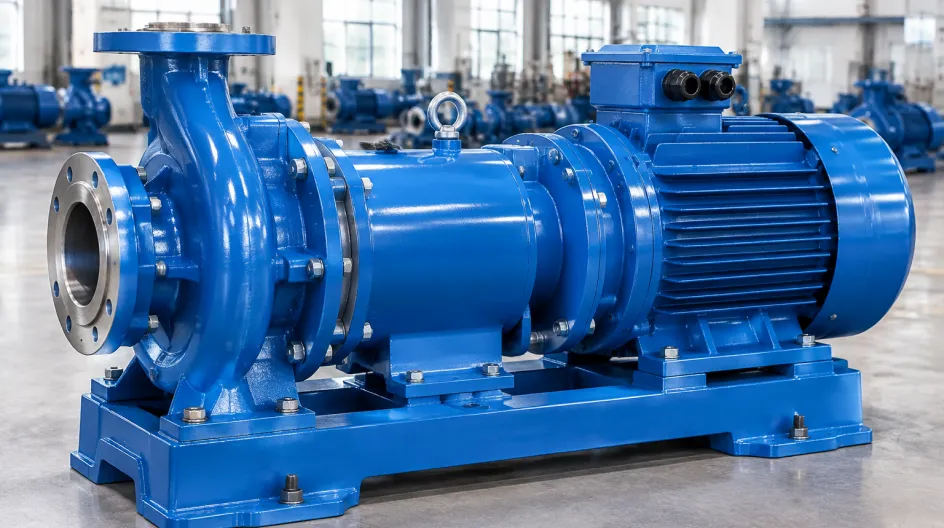
The definitive chemical pump solution for volatile solvents is the sealless magnetic drive pump (CQB or CQL series). This technology eliminates the dynamic mechanical shaft seal entirely. A stationary isolation sleeve (containment shell) physically separates the process fluid from the external environment. Motor torque is transmitted to the internal impeller assembly via a synchronous magnetic field acting through the containment shell. The result is a hermetically sealed pressure boundary that eliminates the dynamic shaft seal as a leak path.
Eliminating Thermal Evaporation via Non-Metallic Sleeves
When transferring highly volatile solvents, preventing unwanted heat generation inside the pump chamber is critical. In metallic magnetic drive pumps, the rotating magnetic field generates electrical eddy currents within the metal isolation sleeve. This thermal energy transfers directly into the solvent, potentially raising its temperature past its boiling point and inducing cavitation. Advanced industrial pump solutions utilize non-metallic, all-fluoroplastic isolation sleeves. Fluoroplastics are electrically non-conductive, so they eliminate eddy current losses in the sleeve. This prevents thermal vaporization of the fluid and maximizes the overall electrical efficiency of the pumping unit.
System Engineering: Specific Gravity and NPSH Considerations
Reliable chemical fluid transfer requires rigorous system-level engineering. Miscalculating hydraulic parameters is a frequent source of motor overload and cavitation failure.
Motor Sizing for High Specific Gravity Fluids
Chemicals such as concentrated sulfuric acid (Specific Gravity ~1.84) or 50% caustic soda are significantly heavier than clear water (SG = 1.0). If an engineer sizes the electric motor based solely on the water performance curve, the motor will suffer severe electrical overload and burn out immediately upon startup. The required brake horsepower increases directly in proportion to the specific gravity of the fluid. Our engineering protocols mandate that all motor configurations are recalculated and upsized based on the exact density of the intended chemical medium.
Net Positive Suction Head (NPSH) Management
When lifting volatile solvents or hot acids from low-level storage tanks, maintaining adequate Net Positive Suction Head Available (NPSHa) is the primary defense against cavitation. Cavitation implosions will rapidly erode fluoroplastic impellers and shatter ceramic plain bearings. System designers must keep suction pipelines short, expand the suction pipe diameter to minimize friction loss, and utilize eccentric reducers (flat side up) to prevent air pockets. For applications requiring significant vertical lift without a flooded suction, the ZMD fluoroplastic magnetic self-priming pump integrates an automated gas-liquid separation cycle, safely drawing fluids up to 4 meters vertically while maintaining leak-tight containment.
Pipeline Integrity: Extending Corrosion Resistance
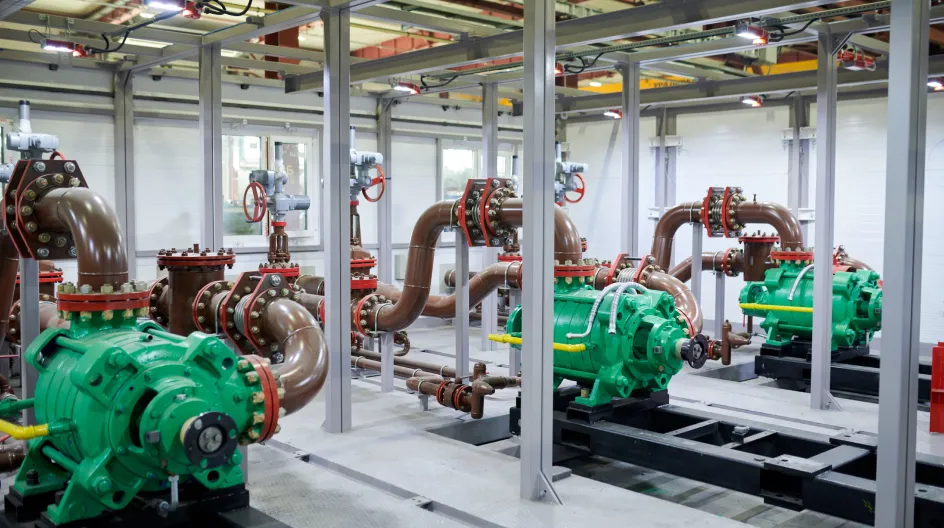
A high-performance chemical pump is only as secure as the pipeline it connects to. In chlor-alkali and petrochemical plants, maintaining a continuous, non-reactive flow path is mandatory. We provide an integrated solution comprising PTFE-lined steel pipes, lined elbows, equal tees, and fluoroplastic-lined globe valves. Every lined component is subjected to a 1.5x hydrostatic pressure test followed by a 100% high-voltage electric spark test. This strict quality control verifies lining integrity, ensuring that the entire pipeline network matches the chemical resistance and pressure tolerance of the primary centrifugal pumps.
Evaluate Your Chemical Transfer Infrastructure
Operating a chlor-alkali facility or petrochemical terminal requires equipment that will not fail under severe oxidative stress, high chlorides, or extreme fluid densities. By standardizing on fluoroplastic-lined, UHMWPE, and sealless magnetic drive technologies, plant operators eliminate catastrophic seal blowouts and prevent ionic contamination of high-purity chemical streams. Our technical department specializes in analyzing fluid dynamics, specific gravities, and vapor pressures to engineer exact pump specifications. Contact our team to initiate a comprehensive review of your brine treatment loops, electrolysis circulation systems, and solvent loading terminals to secure a permanent, maintenance-optimized fluid transfer solution.
Frequently Asked Questions (FAQ)
1. Why do standard stainless steel pumps fail in chlor-alkali applications?
Standard stainless steel depends on a passive oxide layer for protection. High concentrations of chloride ions (found in raw brine, chlorine water, and hydrochloric acid) penetrate and destroy this layer, causing severe pitting and stress corrosion cracking. Fluoroplastic linings (F46/PTFE) are virtually immune to chloride attack, providing a vastly superior solution.
2. What is the correct pump solution for raw brine with suspended salt crystals?
Raw brine acts as an abrasive slurry. The optimal pump is the UHB-ZK series, which utilizes an 8-20 mm thick Ultra-High-Molecular-Weight Polyethylene (UHMWPE) lining and a semi-open impeller. This provides extreme abrasion resistance and prevents the salt crystals from clogging the pump casing.
3. How do you prevent mechanical seal failure when pumping caustic soda?
Caustic soda readily crystallizes when it contacts the atmosphere at the seal face, creating abrasive particles that destroy single mechanical seals. The engineering solution is to deploy a double mechanical seal equipped with an external API Plan 54 flushing system. The pressurized clean barrier fluid prevents crystallization and keeps the seal faces lubricated.
4. Why specify an all-plastic isolation sleeve in a magnetic drive pump?
Metallic isolation sleeves generate magnetic eddy currents, which produce heat. When pumping volatile petrochemical solvents with low boiling points, this heat can cause the fluid to vaporize, leading to cavitation and dry running. An all-plastic (fluoroplastic) isolation sleeve produces zero eddy currents, eliminating this thermal risk and increasing motor efficiency.
5. Do I need a larger motor when pumping concentrated acids or alkalis?
Yes. Concentrated chemicals like 98% sulfuric acid or 50% sodium hydroxide have specific gravities significantly higher than water (up to 1.84). Pumping heavier fluids requires proportionally more torque. The electric motor must be upsized according to the specific gravity of your chemical to prevent motor overload and electrical burnout.
6. How is the integrity of your PTFE lined piping verified?
Structural integrity is verified through a hydrostatic water pressure test at 1.5 times the design maximum working pressure. Chemical containment is verified by subjecting 100% of the internal fluoroplastic lining to a high-voltage electric spark test, which detects and rejects any component with microscopic pinholes or lining defects.
-

YFTEL Pumps
Fluid Engineers & Technical Support, YFTEL Pump
YFTEL is a chemical pump manufacturer based in Hangzhou, China, with a 26,000 m² production base in Hangzhou, China, with a 26,000 m² production base in Anhui. Using the CAS-patented Fluoroplastic Alloy material, we produce 300+ models of corrosion-resistant pumps, valves and piping, exported to 30+ countries.