English

Addressing Centrifugal Pump Problems in Aggressive Media
In chemical processing, transferring highly concentrated acids, reactive solvents, and abrasive slurries presents severe operational challenges. Standard metallic pumps experience rapid pitting and stress corrosion cracking when exposed to chlorides, hot sulfuric acid, or hydrofluoric acid. Dynamic mechanical seals add a second vulnerability: wear over time produces fugitive emissions that compromise site safety. Effective industrial pump solutions must address both material degradation and fluid containment.
What is a chemical process pump solution?
A chemical process pump solution involves selecting fluid transfer equipment with wetted parts manufactured from inert fluoroplastics (such as F46 or PFA) or specialized alloys, combined with appropriate sealing technologies. The goal is to prevent internal corrosion, handle abrasive solids without clogging, and eliminate hazardous leaks in continuous industrial environments.
Fluoroplastic Lined Pump Solutions
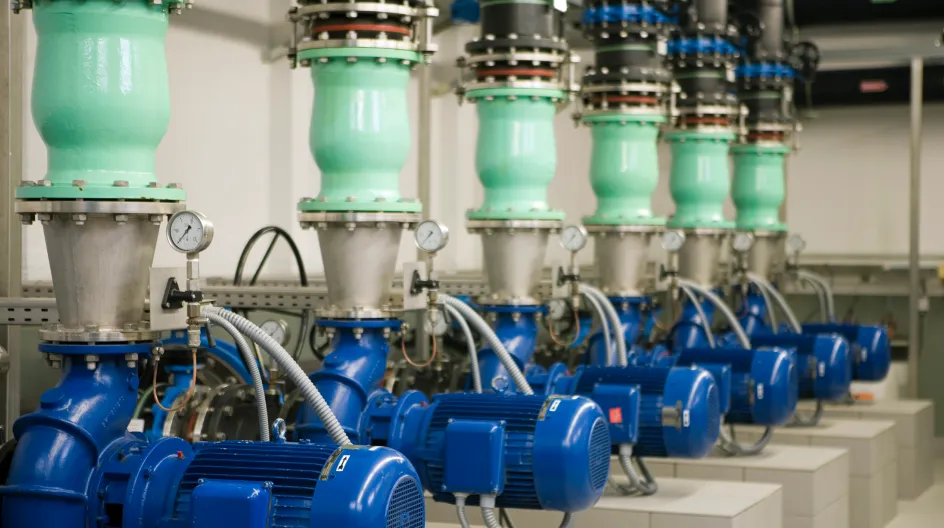
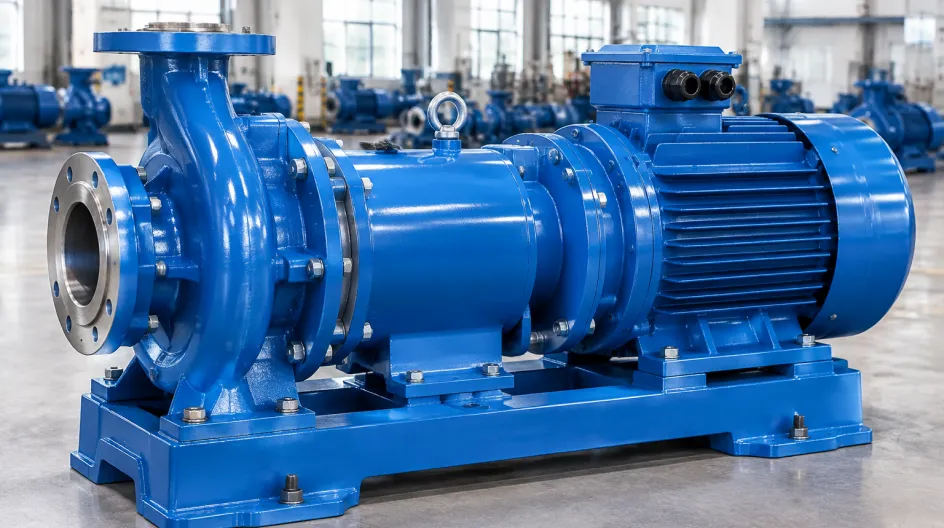
To combat severe chemical attack, plant engineers utilize composite pump structures. The outer casing is cast from high-strength iron or steel to withstand pipeline loads and internal pressures up to 1.6 MPa. The internal cavity is heavily lined with F46 (Fluorinated Ethylene Propylene, FEP). This fluoroplastic lining provides broad chemical resistance within its rated conditions. The fluid never contacts the metal armor, supporting stable transfer of acids and alkalis at continuous temperatures up to 100°C, with special constructions available for service up to 150°C.
Sealless Magnetic Drive Systems for Zero Leakage
For highly toxic, flammable, or volatile liquids, any mechanical seal leakage is unacceptable. Magnetic drive pumps provide a static seal solution. An isolation sleeve hermetically seals the fluid inside the pump chamber. Motor torque is transmitted to the internal impeller via a synchronous magnetic field. By removing the shaft penetration entirely, these pumps eliminate the dynamic seal as a leak path, making them critical process pump solutions for fine chemical synthesis and solvent handling.
Managing Abrasive Chemical Slurries
Wet metallurgy and phosphate fertilizer production involve media that are both highly corrosive and abrasive. Thin-film linings degrade quickly under the scouring action of solid particles. The designated solution is a steel-lined Ultra-High-Molecular-Weight Polyethylene (UHMWPE) slurry pump. An 8 to 20 mm thick UHMWPE lining provides a substantial wear allowance. Combined with a semi-open impeller design, it allows the smooth passage of ore pulps and crystallizing fluids without internal clogging.
Integrated Pipeline Control
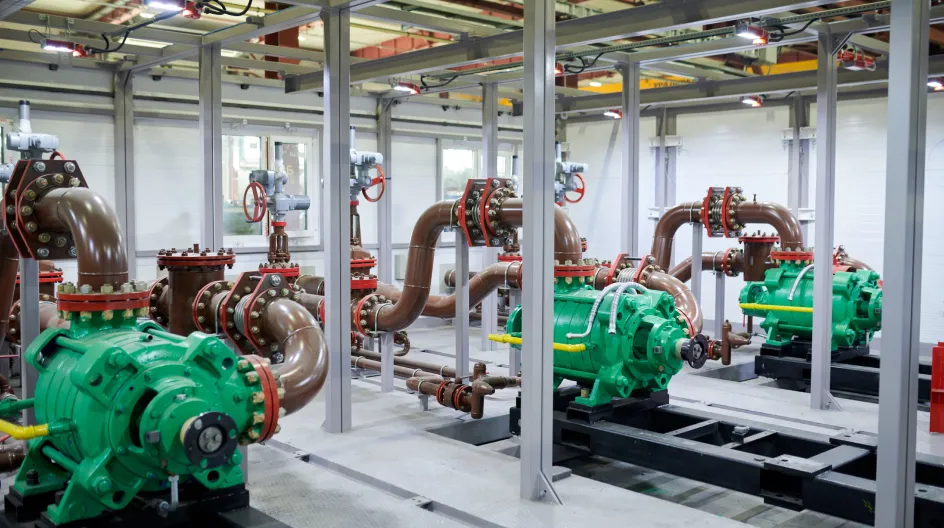
A reliable fluid transfer system requires pipeline components that match the chemical resistance of the pump. Utilizing PTFE lined steel pipes, lined globe valves, and corrosion-resistant sight glasses ensures a continuous, corrosion-resistant pathway. Every lined component undergoes hydrostatic testing and high-voltage electric spark testing to verify lining integrity across the entire chemical loop.
Matching the Pump to the Duty
Effective pump selection starts from the actual service conditions rather than from a catalog. The following duties cover the majority of corrosive chemical transfer applications, and each points to a specific configuration.
Acid Unloading and Tank Transfer
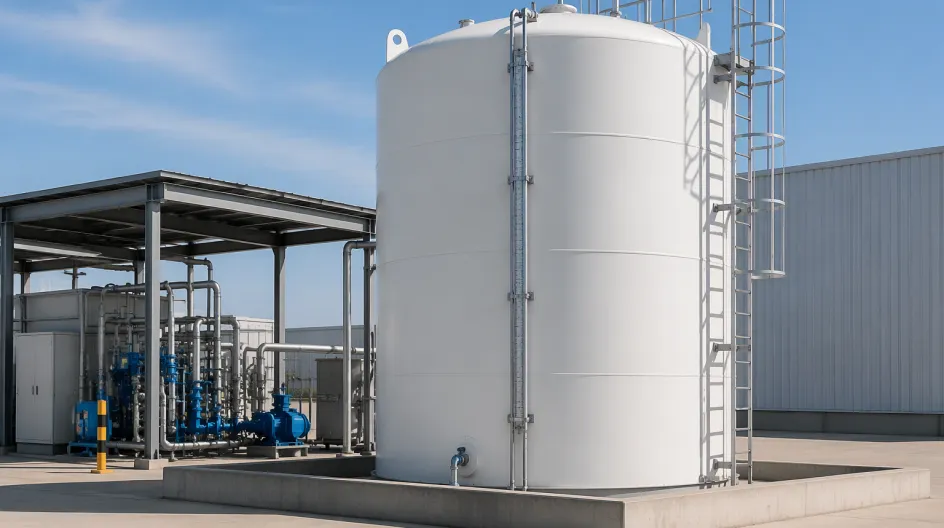
Loading and unloading sulfuric, hydrochloric, or mixed waste acids between tankers, storage tanks, and day tanks is typically an intermittent, high-flow duty. Fluoroplastic-lined centrifugal pumps handle the chemistry, while magnetic drive variants are preferred where the fluid is toxic or where the unloading point is unattended.
Reactor Feed and Process Circulation
Continuous reactor feed and circulation duties demand stable performance at a fixed duty point and predictable seal behavior. Lined centrifugal pumps with correctly specified mechanical seals cover most services; volatile or hazardous fluids move to magnetic drive designs to remove the seal from the maintenance equation.
Scrubber and Neutralization Loops
Gas scrubbing and neutralization systems circulate fluids whose chemistry shifts during operation, from alkaline to acidic and back. The broad resistance of F46-lined pumps across pH extremes makes them the standard choice, and their linings tolerate the salt crystallization that develops as neutralization proceeds.
Corrosive Slurry Transfer
Where the fluid carries solids, such as phosphate rock pulps, gypsum slurries, or crystallizing salt solutions, the UHMWPE-lined slurry pump takes over from fluoroplastic designs, trading a degree of chemical resistance for the abrasion allowance that solids service consumes.
Frequently Asked Questions (FAQ)
1. How do I choose between a fluoroplastic-lined pump and a stainless steel pump for corrosive service?
Start from the fluid, not the pump. If the chemistry attacks stainless steel, such as hydrochloric acid, hot dilute sulfuric acid, or chlorides above their limit, a fluoroplastic-lined pump is the safer and usually cheaper answer. Stainless steel remains appropriate for mildly corrosive, high-temperature, or high-purity duties within its resistance range.
2. When should I specify a magnetic drive pump instead of a sealed pump?
Specify magnetic drive when the fluid is toxic, flammable, volatile, or expensive enough that any seal leakage is unacceptable, or when seal maintenance access is difficult. For benign corrosive fluids with good maintenance access, a correctly specified mechanical seal remains the economical choice.
3. Can one pump handle both corrosion and abrasion?
Yes, within limits. The UHMWPE-lined slurry pump is built for fluids that are simultaneously corrosive and abrasive, such as ore pulps and crystallizing chemical slurries. Its 8 to 20 mm lining provides the wear allowance that thin fluoroplastic linings cannot offer in solids service.
4. What information do you need to specify a pump for my application?
The essential data are the fluid name and concentration, operating temperature, solids content if any, required flow and head, suction conditions, and the duty cycle. With these, our engineers can confirm the wetted material, the sealing arrangement, and the motor sizing against the fluid's actual specific gravity.
5. Do your pumps handle mixed or varying chemistries?
Fluoroplastic-lined pumps cover a broad range of acids, alkalis, and mixed waste streams, which makes them well suited to duties where the chemistry varies between batches or shifts. Provide the full range of fluids and concentrations, and we will confirm the lining against the worst case.
6. How is the quality of the fluoroplastic lining verified?
Every lined component is hydrostatically tested at 1.5 times its design pressure and subjected to a high-voltage electric spark test that detects pinholes and lining defects before the component leaves the factory.
Evaluate Your Fluid Transfer System
Corrosive chemical transfer leaves little margin for the wrong material or the wrong seal. YFTEL engineers review your fluid data, duty point, and site conditions, then specify the lined pump, sealing arrangement, and pipeline components as one matched system. Contact our technical team with your application data to start the review.
-

YFTEL Pumps
Fluid Engineers & Technical Support, YFTEL Pump
YFTEL is a chemical pump manufacturer based in Hangzhou, China, with a 26,000 m² production base in Hangzhou, China, with a 26,000 m² production base in Anhui. Using the CAS-patented Fluoroplastic Alloy material, we produce 300+ models of corrosion-resistant pumps, valves and piping, exported to 30+ countries.