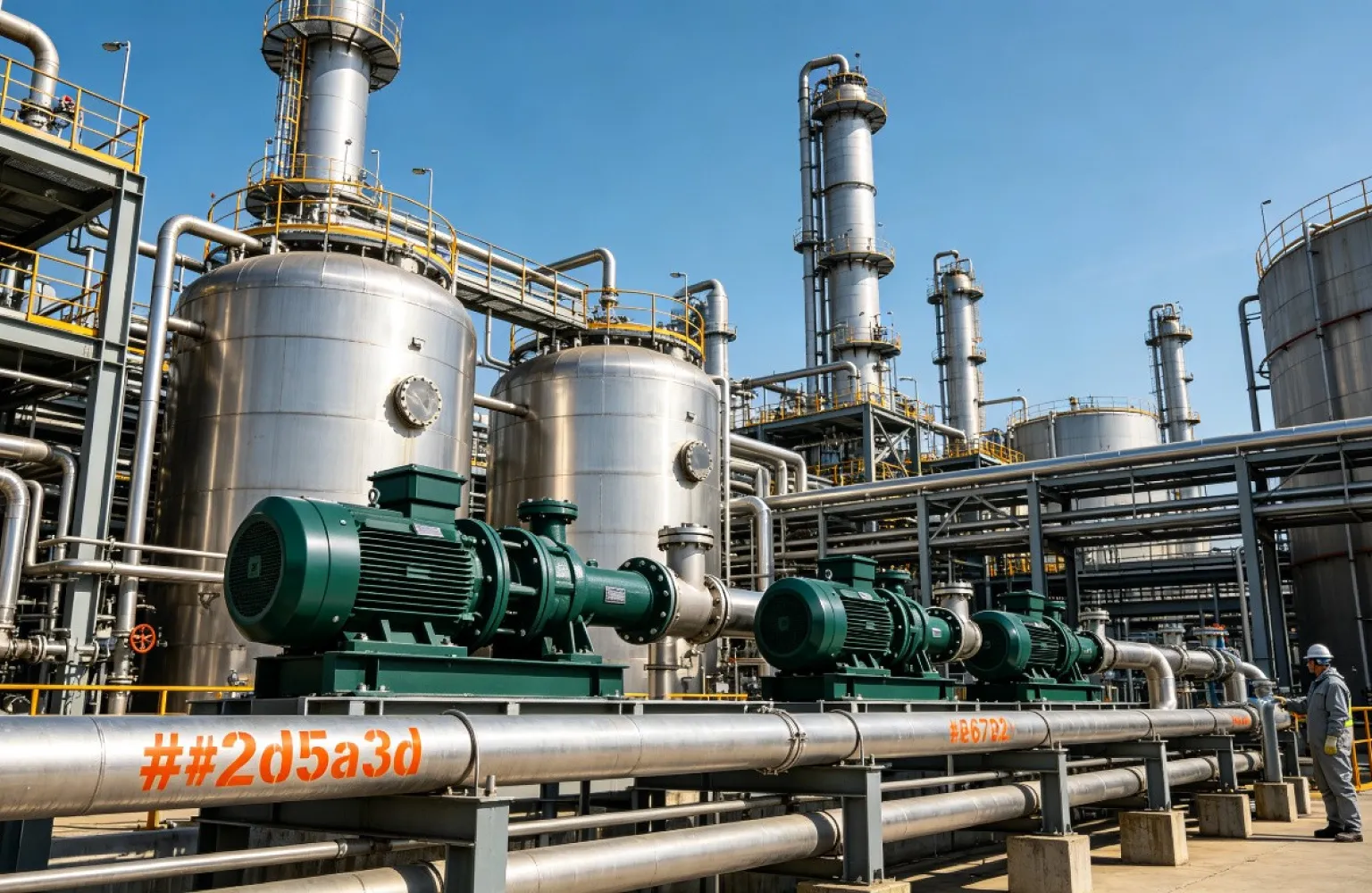
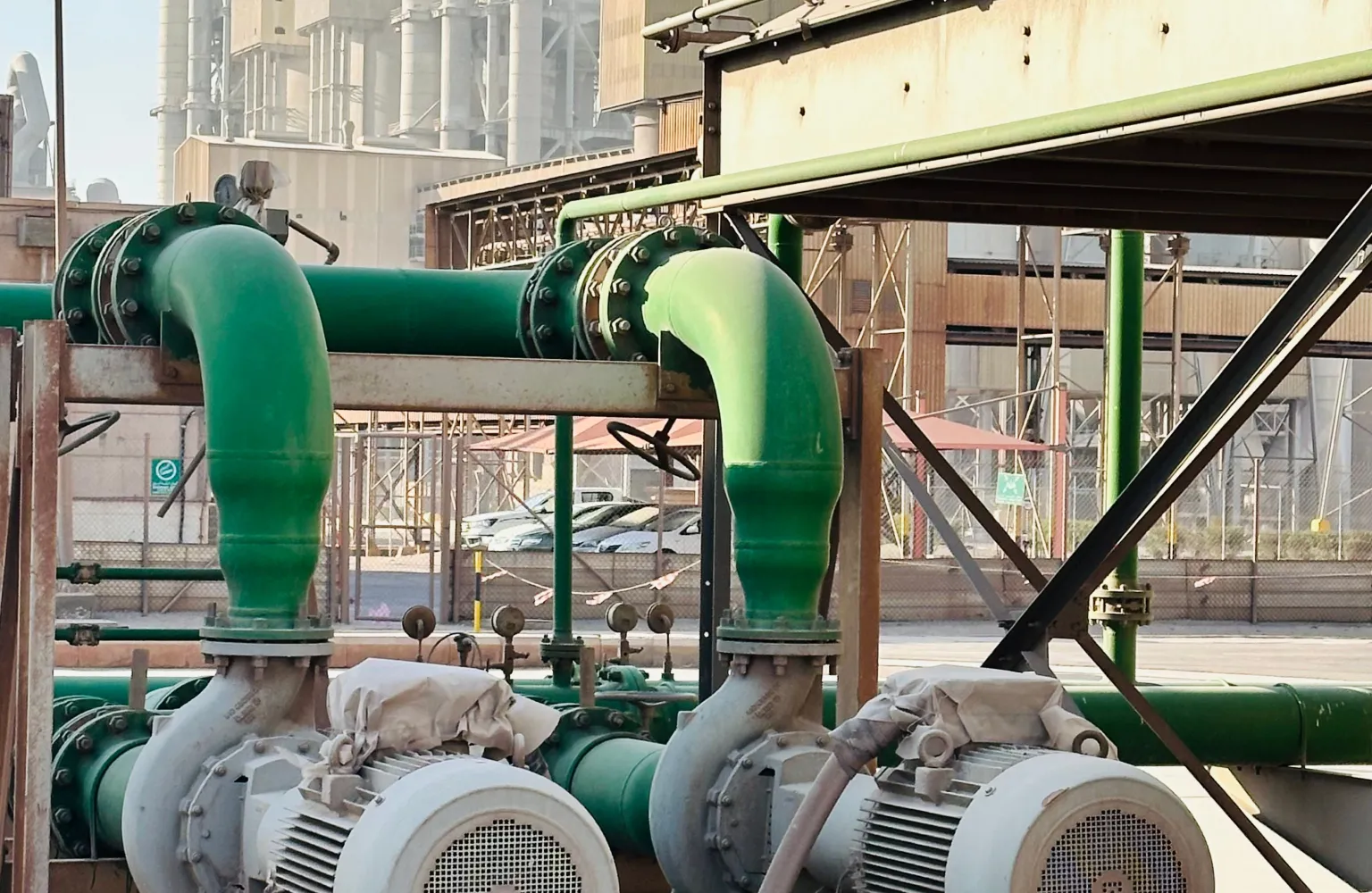
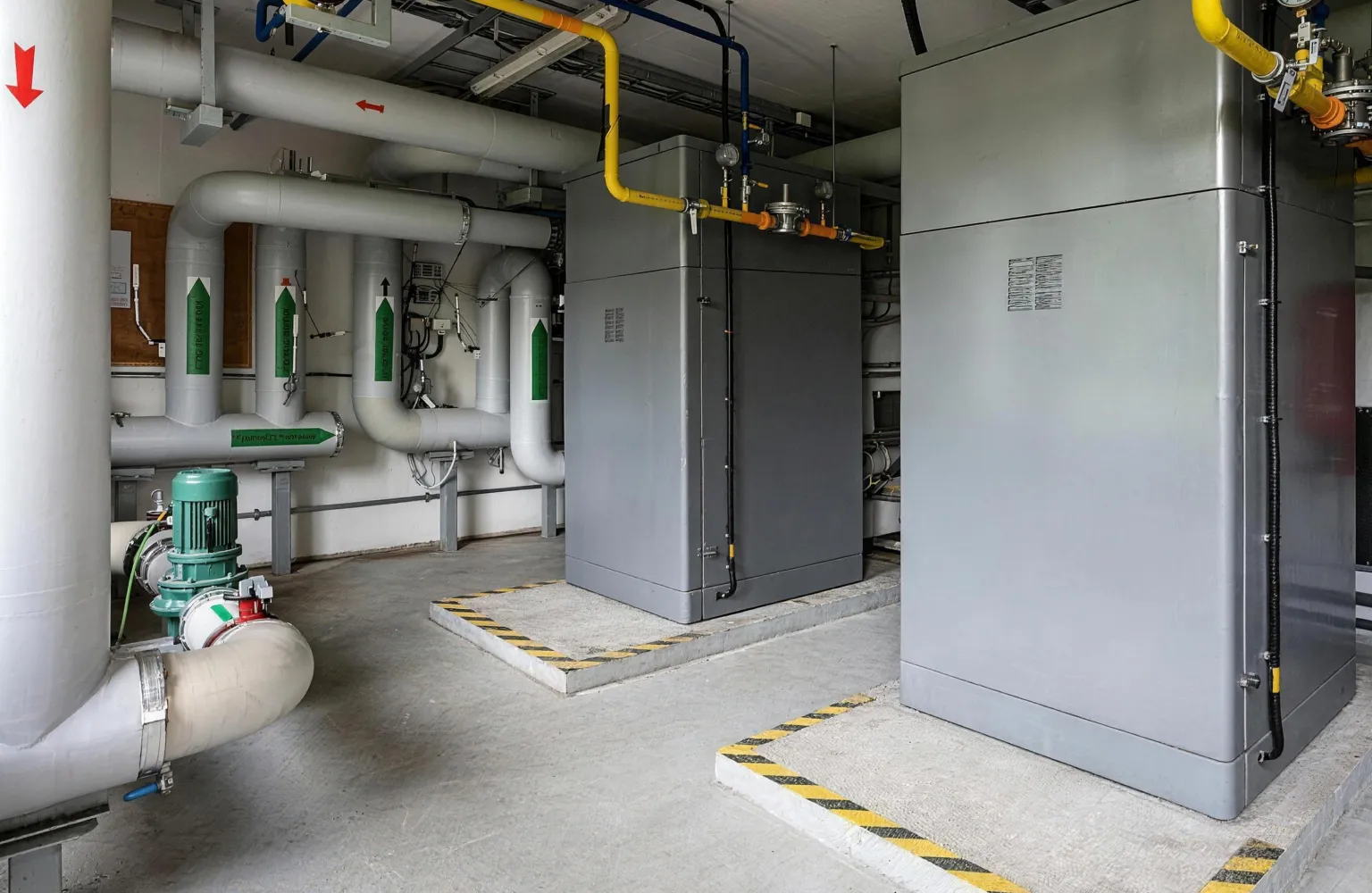
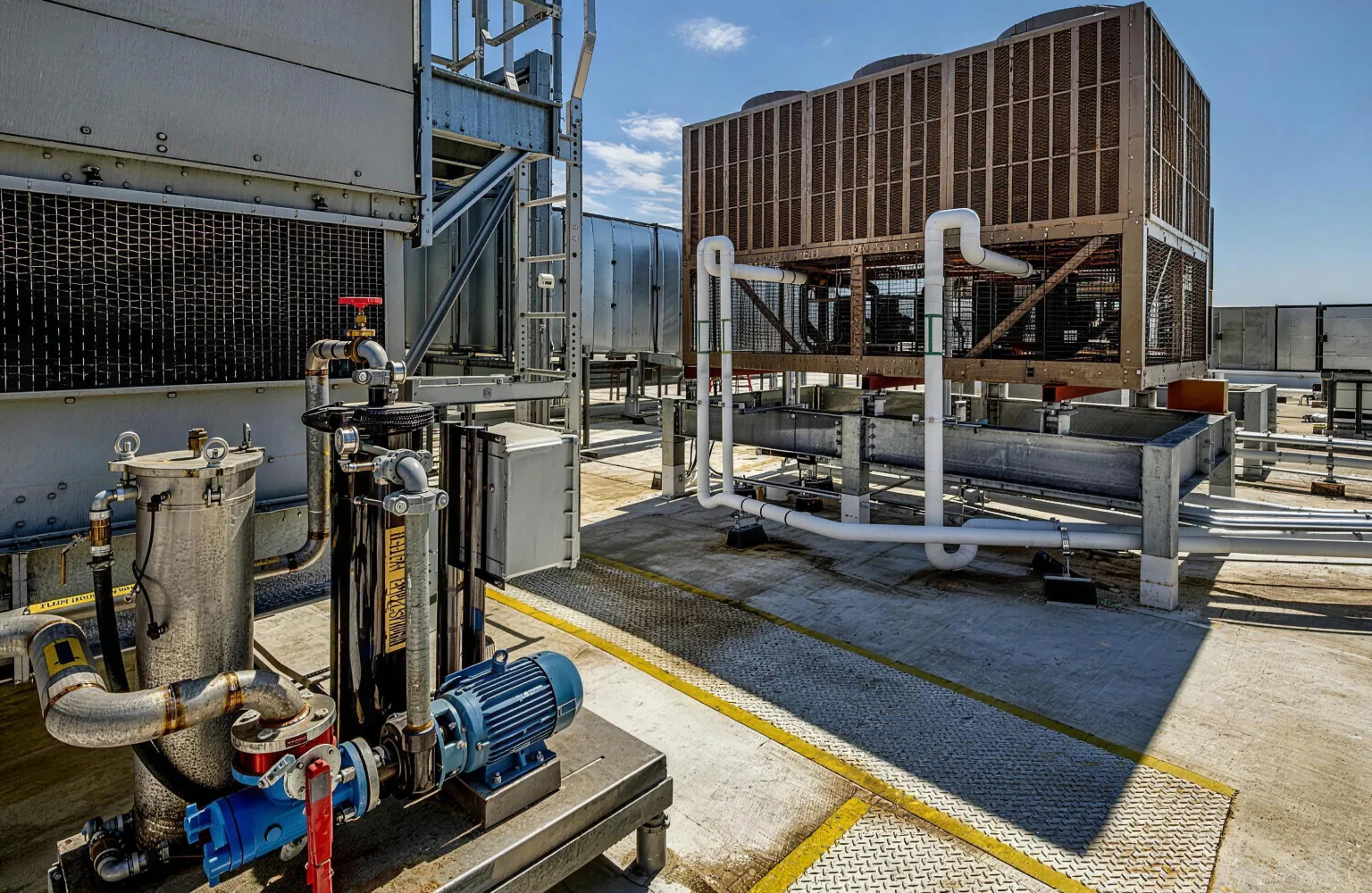

YFTEL manufactures corrosion-resistant pumps, valves and piping at a 26,000 m² production base in Anhui, with international trade operations headquartered in Hangzhou. The factory runs 200 sets of production equipment, employs 200+ staff including 30+ fluid engineers, and ships over 32,000 pump and valve units per year across 10 series and 300+ models. Production is ISO9001 certified, products carry CE marking, and exports currently reach customers in 30+ countries.
About Us ENGINEERING CASES SolutionsThe UHMWPE lining safely handles sulfuric acid up to approximately 80% concentration, and nitric or hydrochloric acid up to 50%, alongside most acid, alkali, and salt slurries. For highly oxidizing media or concentrations exceeding these limits, please provide the specific chemical data for material verification.
The 8–20 mm UHMWPE lining provides a generous wear allowance. In typical phosphoric-acid and ore-pulp service, the lining life is several times that of standard cast-iron or thin-lined chemical pumps. Actual service life depends heavily on particle size, hardness, concentration, and solids content.
Use a closed impeller for higher hydraulic efficiency when handling clear liquids or lower-solids media. Specify a semi-open or open impeller for high-solids, crystallizing, or fibrous media to prevent internal clogging. Please provide your solids content (%) and particle size so we can select the correct impeller geometry.
Yes. The UHB-ZK is specifically designed for corrosive and abrasive slurries. For very high-density fluids or high-head applications, please provide the flow rate, head, solids content, and specific gravity so we can confirm the structural sizing and required motor brake horsepower.
Unless otherwise specified, the standard configuration utilizes a K-type dynamic seal (an auxiliary impeller combined with a lip seal), which is highly effective at keeping abrasive particles away from the shaft. Mechanical seals with external flushing plans are available for specific operational requirements.
The pump must be installed on a rigid concrete foundation. The weight of the pipeline must not be supported by the pump casing. Ensure the suction pipe is short, straight, and features an eccentric reducer (flat side up) if transitioning diameters to prevent air pocket formation.
Operating a centrifugal slurry pump requires strict adherence to specific protocols. Failure to observe these guidelines can result in rapid mechanical wear, cavitation, and catastrophic failure of the pump internals.
Proper installation ensures the mechanical stability of the pump unit under heavy load.
The pump must be bolted to a flat, horizontal concrete foundation whose mass is at least three times the combined weight of the pump and motor. Before connecting the piping, the pipeline must be thoroughly flushed to remove any construction debris or welding slag. When operating under a flooded suction configuration (where the tank level is above the pump), the suction isolation valve must be installed but must remain fully open during operation. Throttling the flow using the suction valve is strictly prohibited, as it will induce immediate cavitation.
For startup, the pump casing must be fully primed with fluid. Start the motor with the discharge valve closed or slightly cracked open. Once the motor reaches its nominal speed (e.g., 2900 or 1450 r/min), gradually open the discharge valve until the designated flow rate is achieved. Continuously monitor the bearing housing temperature; it must not exceed 90°C under normal load conditions. Routine maintenance includes checking the dynamic seal for leakage and replacing the N46 bearing oil every 1500 operating hours to ensure long-term mechanical reliability.


 English












